Sewing Multiple Layers
Q: When sewing garments with multiple layers or fabrics of different weights, how can I keep seams from shifting and maintain accurate alignment throughout construction?
A: One of the most overlooked aspects of advanced garment sewing is controlling fabric rather than simply stitching it together. When combining fabrics with different characteristics—such as a wool coating with a silk lining, or a stable woven with a slippery rayon—each layer wants to feed through the machine at a different rate. Before sewing, stabilize areas that are prone to distortion with staystitching, lightweight fusible interfacing, or temporary wash-away tape. Hand-basting critical seams, particularly princess seams, collars, lapels, and sleeve caps, often produces a more accurate result than relying solely on pins or clips.
Machine settings also play an important role. Adjusting presser foot pressure can dramatically improve feeding, especially on delicate or lofty fabrics. A walking foot or dual-feed system helps keep layers moving evenly, while fine-tuning stitch length can prevent puckering. Press each seam as it is sewn—not just at the end of the project—and allow the fabric to cool on a tailor’s ham, seam roll, or clapper to permanently set the shape. These couture-inspired techniques require more time, but they result in garments with cleaner lines, better drape, and a noticeably more professional finish.
Squaring Up Quilt Blocks
Q: Why do experienced quilters sometimes recommend “squaring up” blocks after every construction step instead of waiting until the quilt top is complete?
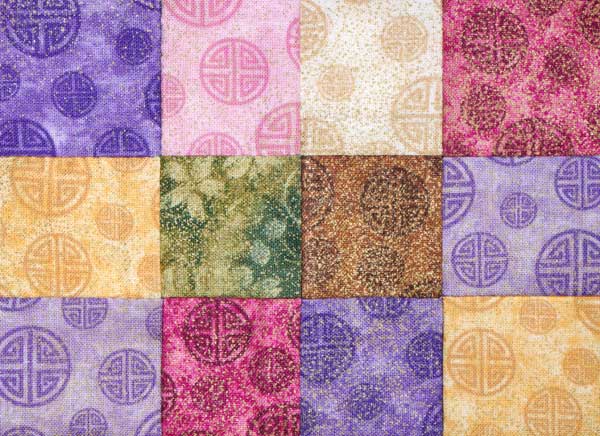
A: Accurate quilting is cumulative. Even tiny discrepancies—an oversized seam allowance, slight stretching while pressing, or a block that’s only 1/16 inch too large—can multiply dramatically across dozens or hundreds of blocks. Squaring up individual units, subassemblies, and completed blocks keeps these small errors from compounding, making final assembly smoother and reducing the need to ease pieces together later.
That said, squaring up should be done thoughtfully rather than automatically trimming every block to fit. If multiple blocks are consistently undersized or oversized, it’s better to identify the source of the problem, such as seam allowance accuracy, cutting precision, or pressing technique. Many advanced quilters use specialty rulers designed for specific block units, allowing them to align seam intersections before trimming. This approach preserves points, improves overall accuracy, and results in flatter quilt tops that are easier to baste and quilt with fewer distortions.
Sewing Machine Light Bulbs
Q: What color temperature is best for my sewing machine light, and does it really make a difference?
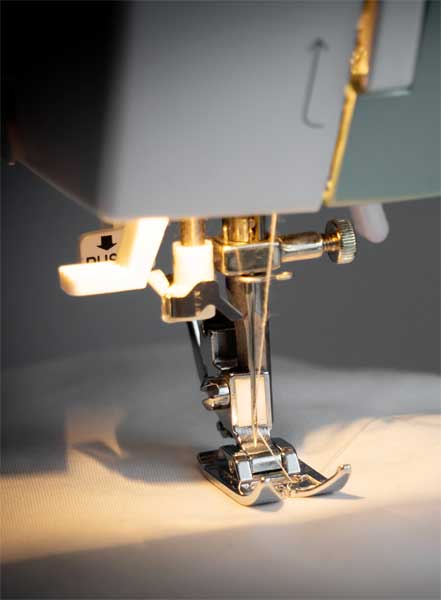
A: Yes—it can make a significant difference, especially when you’re working on detailed sewing tasks or matching fabric colors. For most sewing applications, a cool white LED bulb with a color temperature between 5000K and 6500K provides the closest approximation to natural daylight. This brighter, whiter light makes it easier to distinguish between similar thread colors, see stitch definition, and spot subtle flaws such as skipped stitches, uneven seam allowances, or fabric puckering. Many sewists also find that daylight-balanced lighting reduces eye fatigue during long sewing sessions because the work area appears sharper and more evenly illuminated.
While warm white bulbs (approximately 2700K to 3500K) create a comfortable, inviting atmosphere in a sewing room, they’re generally better suited for ambient lighting than task lighting. Their yellowish cast can alter the appearance of fabric colors, making navy and black, or similar shades of gray and brown, more difficult to differentiate. If your machine accepts a replaceable LED bulb, choose one designed specifically for sewing machines and verify that it matches the manufacturer’s recommended size and voltage. For the best overall lighting, combine a daylight-balanced machine light with adjustable room or task lighting to minimize shadows and illuminate your project from multiple angles.
~The ASG Sewing Room