
There is something deeply satisfying about wearing a garment you’ve made yourself. It isn’t just the compliments you receive or the pride of saying, “Thanks, I made it.” The act of garment sewing offers powerful psychological benefits that can boost confidence, reduce stress, and even change how we see ourselves.
While sewing is often viewed as a practical skill or creative hobby, psychologists have long recognized that activities requiring creativity, problem-solving, and focused attention can significantly improve emotional well-being. Garment sewing combines all of these elements in one rewarding pursuit.
Sewing Creates a State of Flow
Have you ever sat down at your sewing machine planning to work for an hour, only to discover that three hours have passed? You’ve likely experienced what psychologists call flow—a mental state in which you’re completely immersed in an activity.
Flow occurs when the challenge of a task matches your skill level. Garment sewing offers this balance beautifully. Reading patterns, selecting fabrics, adjusting fit, and mastering new techniques require concentration without being overwhelming. During these periods, everyday worries fade into the background as your attention focuses entirely on the project in front of you.
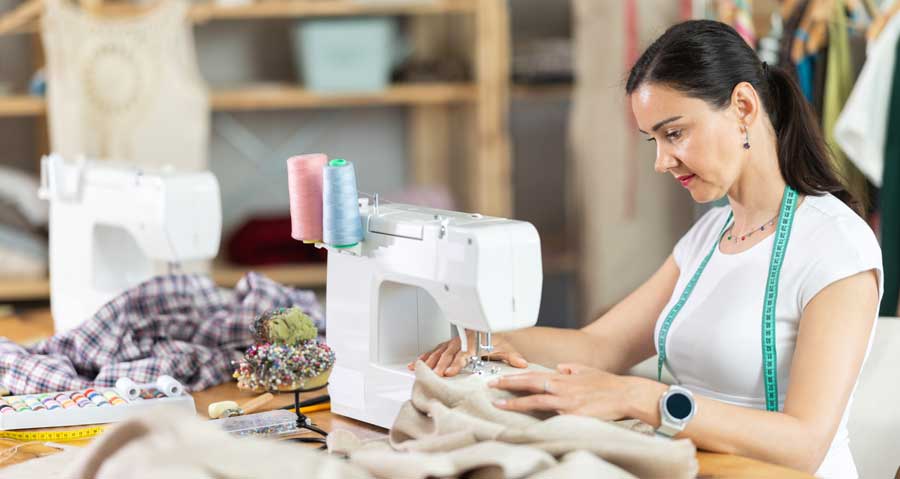
Many sewists describe these sessions as mentally refreshing. Instead of draining energy, sewing often restores it.
Building Confidence One Seam at a Time
Modern life doesn’t always provide opportunities to see tangible results from our efforts. Many jobs involve digital work, meetings, or tasks that disappear as quickly as they’re completed.
Garment sewing is wonderfully different. Every step reveals visible progress. A pile of fabric becomes cut pieces. Those pieces become a bodice, sleeves, and eventually a finished garment. Each completed seam reinforces the belief that you are capable of learning, improving, and creating something meaningful.
Even mistakes become valuable teachers. Learning to unpick stitches, adjust a pattern, or solve fitting problems develops resilience—the confidence that challenges can be overcome with patience and persistence. That confidence often extends beyond the sewing room.
Clothing That Reflects Who You Are
Psychologists have found that what we wear influences not only how others perceive us but also how we perceive ourselves. This idea, sometimes called “enclothed cognition,” suggests that clothing can affect confidence, mood, and even performance.
Garment sewing takes this one step further.
Instead of choosing from what stores offer, sewists create clothing that reflects their personality, lifestyle, and preferences. Whether someone loves bold prints, timeless classics, dramatic silhouettes, or practical everyday wear, handmade garments become expressions of identity.

Rather than asking, “What can I buy?” sewists ask, “What do I want to create?” That shift gives sewists greater ownership over their personal style.
A Healthy Break from Technology
Today’s world constantly competes for our attention. Phones buzz, emails arrive, and social media feeds never end. Sewing provides a welcome contrast.
Working with fabric engages the senses in ways screens cannot. The feel of linen, the sound of scissors cutting cloth, the rhythm of a sewing machine, and the satisfaction of pressing crisp seams all encourage mindfulness—remaining present in the moment.
Many sewists find that even a short sewing session helps quiet mental clutter and reduce stress after a busy day.
Problem Solving That Feels Rewarding
Garment sewing is like solving an enjoyable puzzle. Perhaps the sleeve doesn’t fit quite right. Maybe the waistband needs adjusting, or the pattern requires a full bust adjustment. Each challenge invites experimentation rather than frustration.
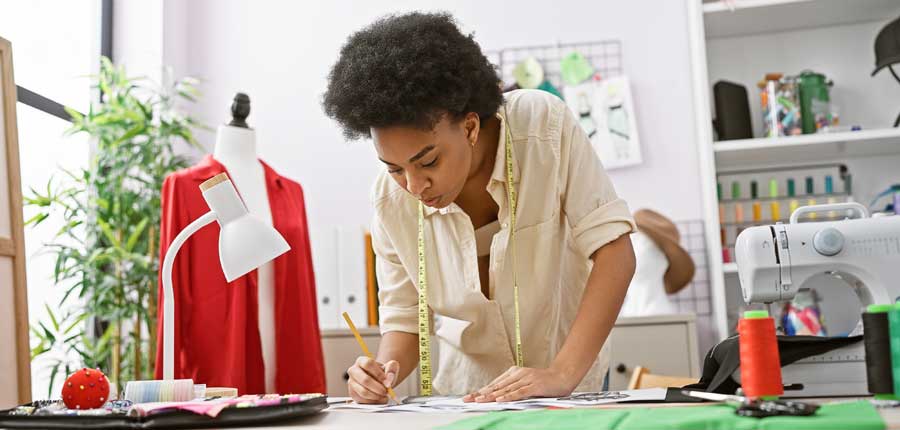
Research suggests that successfully overcoming manageable challenges stimulates the brain’s reward system. Every fitting correction, successful zipper installation, or perfectly matched seam provides a small sense of accomplishment that keeps motivation high.
These moments remind us that progress—not perfection—is what makes sewing enjoyable.
Creativity Without Comparison
Unlike many creative pursuits that encourage constant comparison, garment sewing naturally emphasizes personal growth. Your latest project doesn’t need to resemble someone else’s. It only needs to fit your goals, your body, and your style.
Over time, sewists begin comparing today’s work with garments they completed years earlier rather than measuring themselves against others. This mindset encourages continuous learning while reducing the pressure to be perfect.
Each finished garment becomes evidence of how much you’ve learned.
The Joy of Handmade
In a world filled with mass-produced clothing, creating a handmade garment carries special meaning. You chose the pattern. You selected the fabric. You matched the thread, pressed every seam, and invested hours of care into every detail.
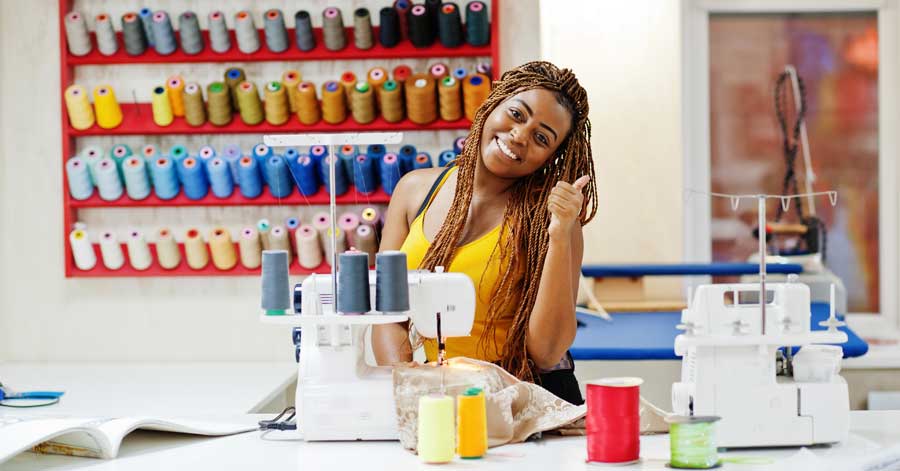
That investment creates a stronger emotional connection to the finished garment. Many sewists report wearing handmade clothing longer, caring for it more carefully, and valuing it more than ready-to-wear purchases.
The garment becomes more than clothing—it becomes a story of creativity, patience, and craftsmanship.
More Than Just Sewing
Garment sewing is often described as a hobby, but its benefits reach much further. It encourages patience in an impatient world. It rewards persistence over perfection. It transforms mistakes into learning opportunities and gives us permission to slow down and focus on creating something beautiful.
Every project strengthens technical skills while quietly building confidence, resilience, and emotional well-being.
Perhaps that’s why so many people return to their sewing rooms again and again. They’re not simply making clothes. They’re creating confidence, expressing creativity, and stitching together a little more joy with every seam.
~The ASG Sewing Room