Have you ever admired a garment someone made, bought the exact same pattern, and wondered why yours looked completely different? Or perhaps you and a sewing friend made the same pattern in the same size, yet the finished garments hardly looked like they came from the same envelope.
That isn’t necessarily a sign that one person sewed it “better.” A sewing pattern is really only the starting point. Fabric, body shape, fit preferences, construction choices, and even the way a garment is worn all influence the final result. Understanding these variables can help you predict how a pattern will work for you rather than expecting your garment to duplicate the photograph on the pattern cover.
The Body Changes the Garment
Patterns are drafted using a particular set of body measurements and proportions, but few of us match those measurements exactly.
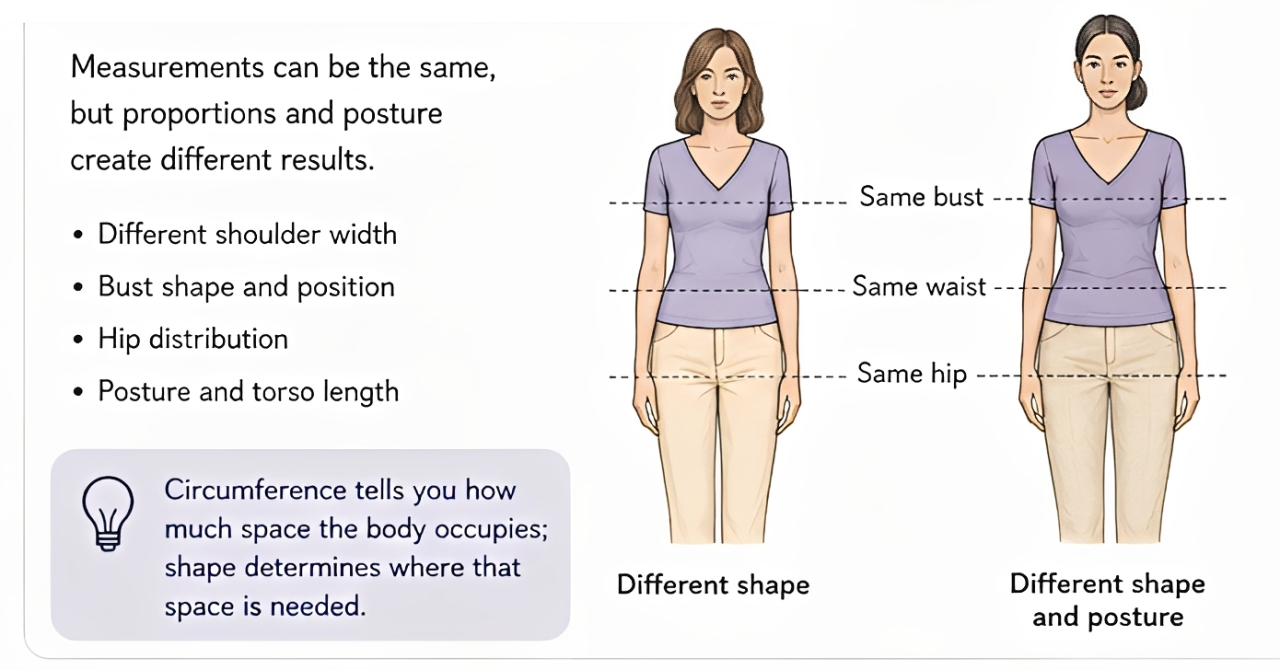
Two people may have identical bust, waist, and hip measurements while carrying those measurements very differently. One may have broader shoulders, a fuller bust, and relatively narrow rib cage; another may have a smaller bust but broader back. Hip circumference can be distributed toward the sides, back, or abdomen.
Posture matters, too. Forward shoulders, an erect posture, a rounded upper back, or a tilted pelvis can change how fabric hangs from the body.
That’s why choosing the correct pattern size is only the beginning. Circumference tells you how much space the body occupies; shape determines where that space is needed.
Fabric Can Practically Redesign a Pattern
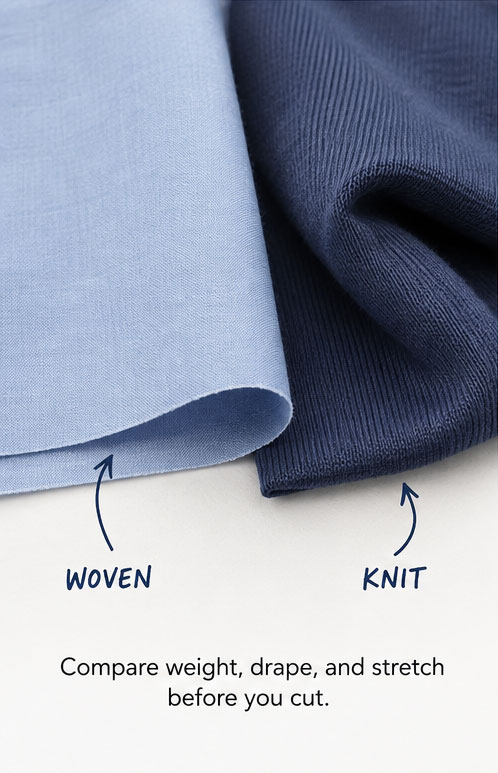
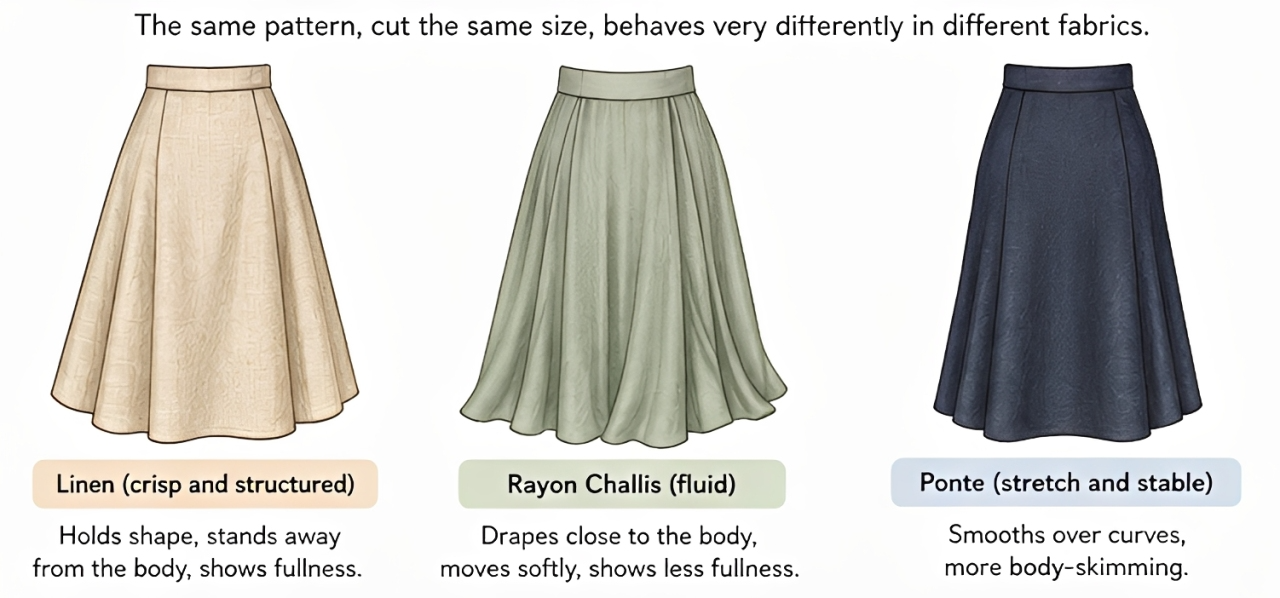
Few things transform a pattern as dramatically as fabric. Imagine making the same wide-leg trouser pattern in crisp linen, fluid rayon challis, and stretch ponte. The pattern pieces haven’t changed, but the resulting garments certainly will.
In addition, the scale of the print matters. A large print can swallow a small frame, while a tiny print can look busy on a larger frame. The background color of the pattern sets the mood and can make the skin look bright or washed out.
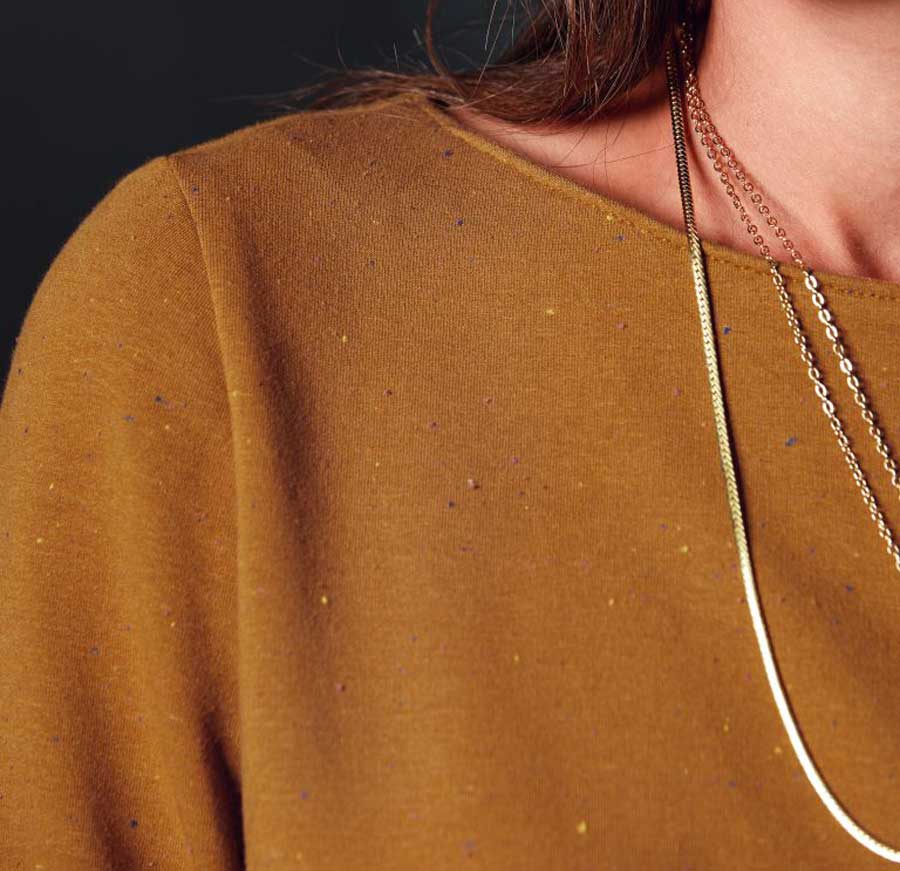
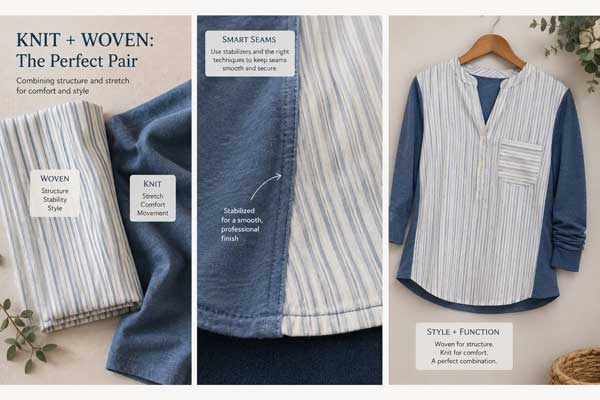
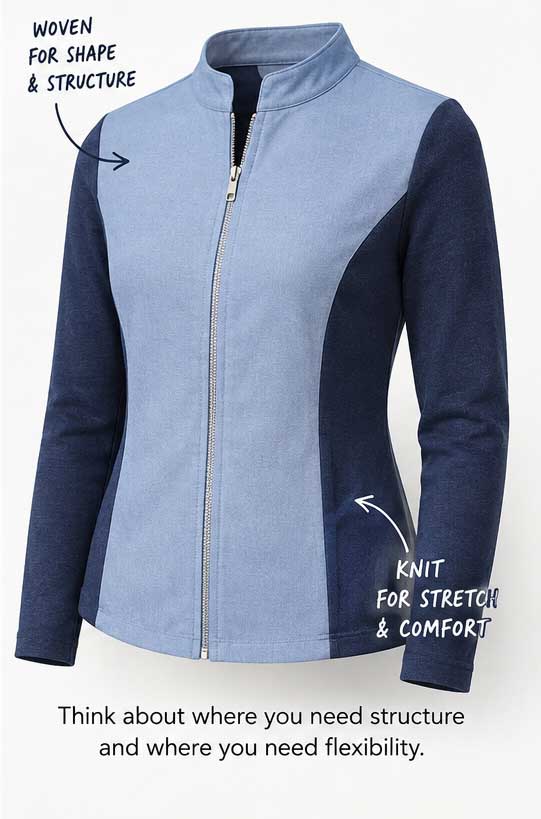
Fabric weight, drape, stretch, recovery, thickness, and surface texture all affect silhouette. A structured fabric may hold a sleeve away from the arm or exaggerate the fullness of a skirt. A fluid fabric may collapse closer to the body and make the same design appear slimmer.
Even fabrics with similar fiber content can behave differently. Two cottons might have completely different weights and drape. This is one reason experienced sewers pay close attention to the fabric recommendations on a pattern. They aren’t simply shopping suggestions—they’re clues to the silhouette the designer intended.
Ease Isn’t Experienced Equally
Pattern ease is another reason two garments can look different. Four inches of total positive ease on a bust is a standard baseline in commercial sewing patterns and slopers for a classic, comfortable fit in woven garments with sleeves. This provides about 2 inches of functional breathing/movement room, plus 2 inches of relaxed style ease. However, on one body, that ease may appear relaxed and balanced. On another, the fabric may be pulled forward by a fuller bust, leaving less apparent ease across the front and more fabric pooling at the back.
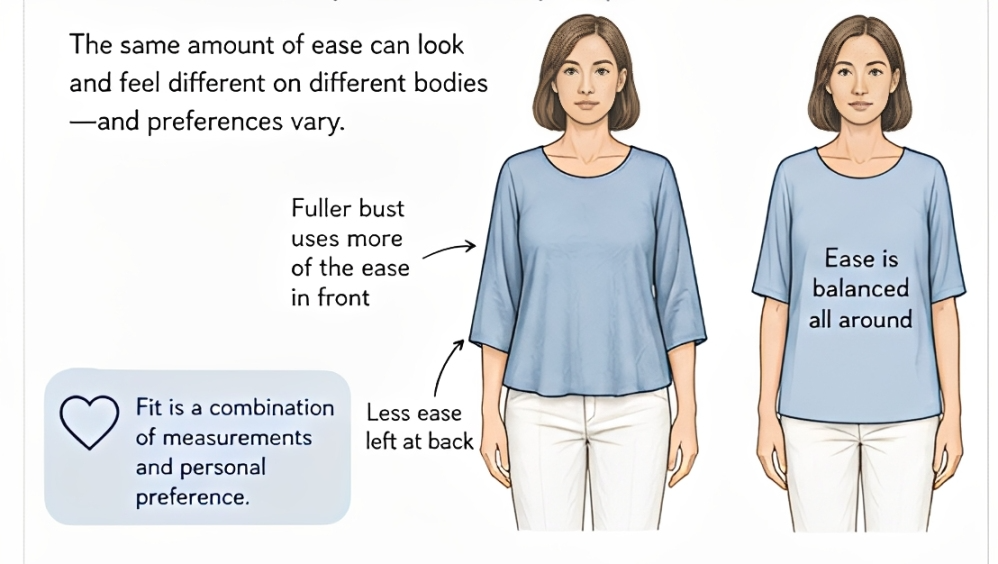
Personal preference also matters. One sewist may happily wear a jacket with several inches of ease, while another prefers a closer silhouette and automatically takes in the side seams. Neither is wrong. Fit isn’t simply a measurement; it’s also a preference.
Small Adjustments Have Big Consequences
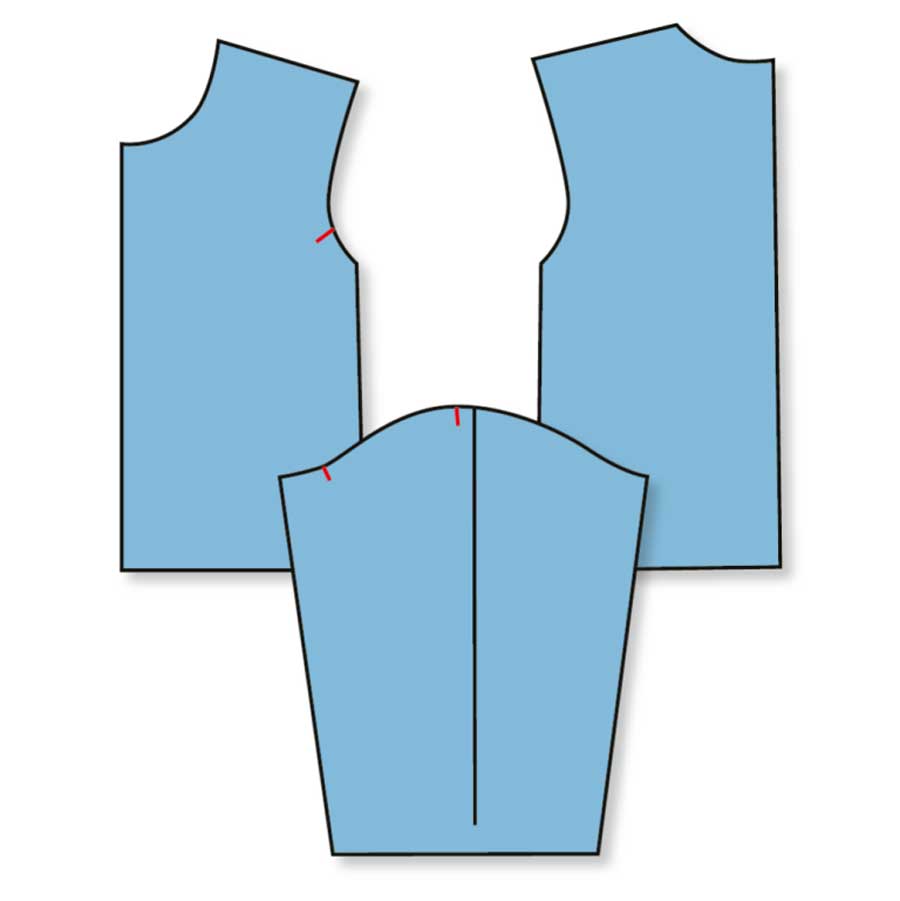
Experienced garment creators rarely make every pattern straight from the envelope. One person may shorten the bodice, lower a dart, narrow the shoulders, or perform a full-bust adjustment. Another might lengthen the torso and raise the waistline. Individually, these alterations can seem minor, but together they change the garment’s proportions.
Even adjustments that aren’t technically “fit alterations” matter. Shortening a skirt three inches changes its visual relationship to the body. Narrowing a sleeve can make an entire jacket look sleeker. Changing button placement can alter where the eye travels.
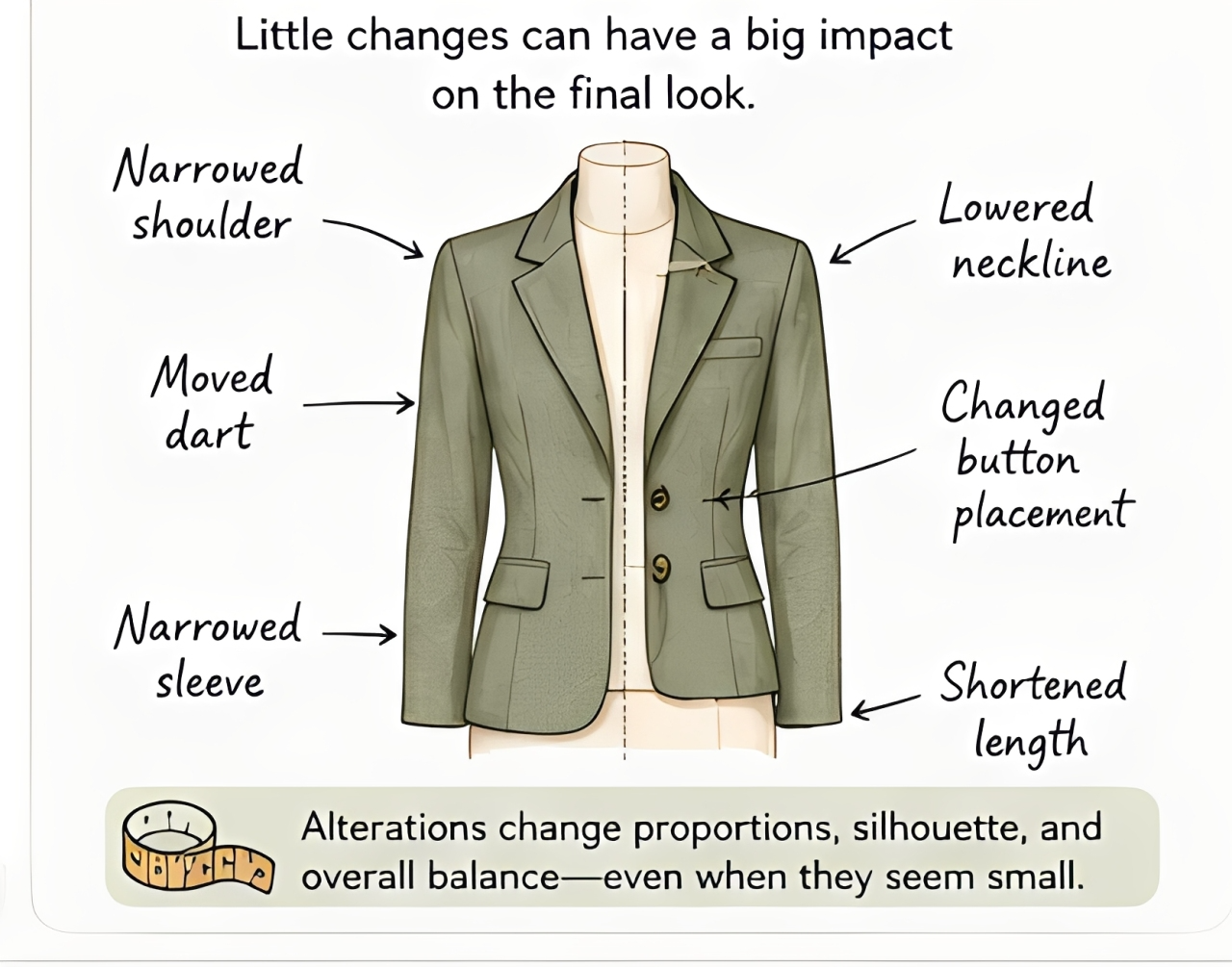
The more you sew, the more a commercial pattern becomes a framework rather than a set of unquestionable instructions.
Construction and Pressing Leave Their Fingerprints
Two sewists can cut identical pieces from identical fabric and still produce noticeably different garments.
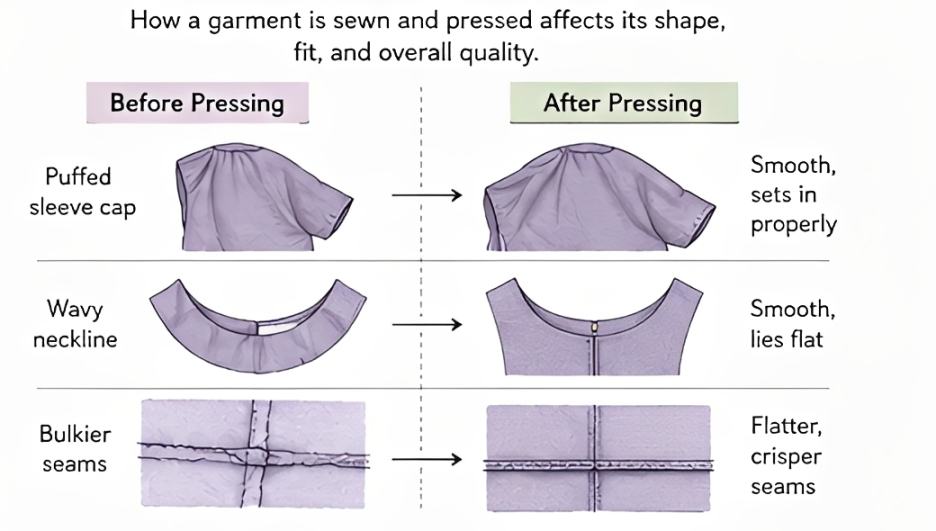
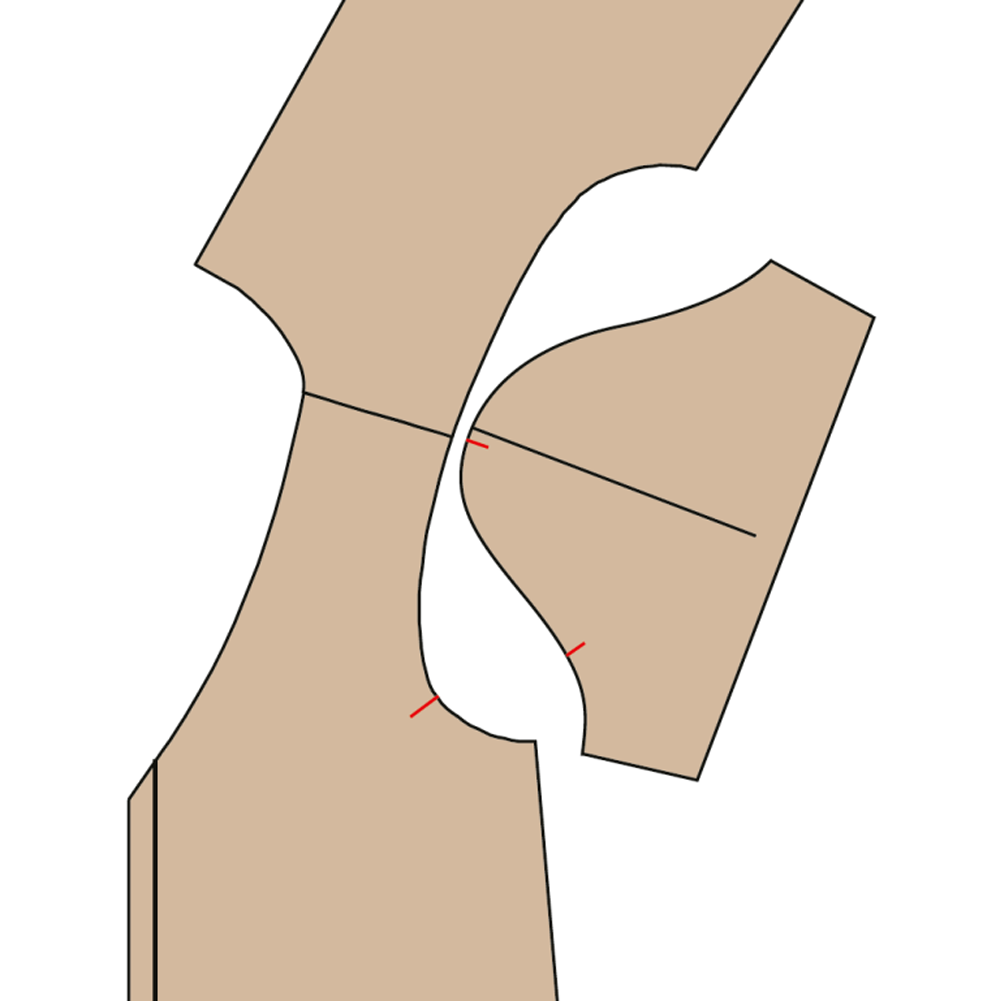
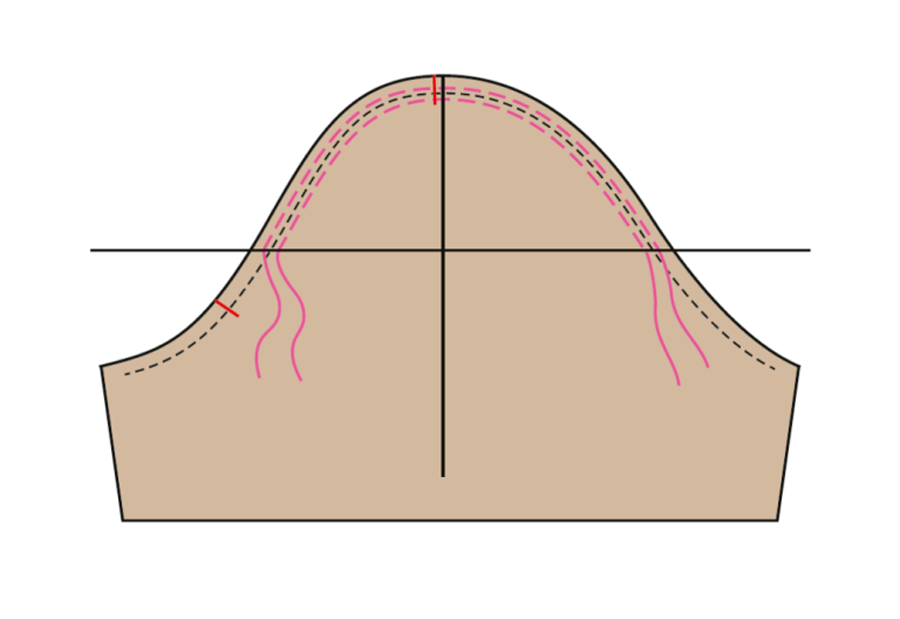
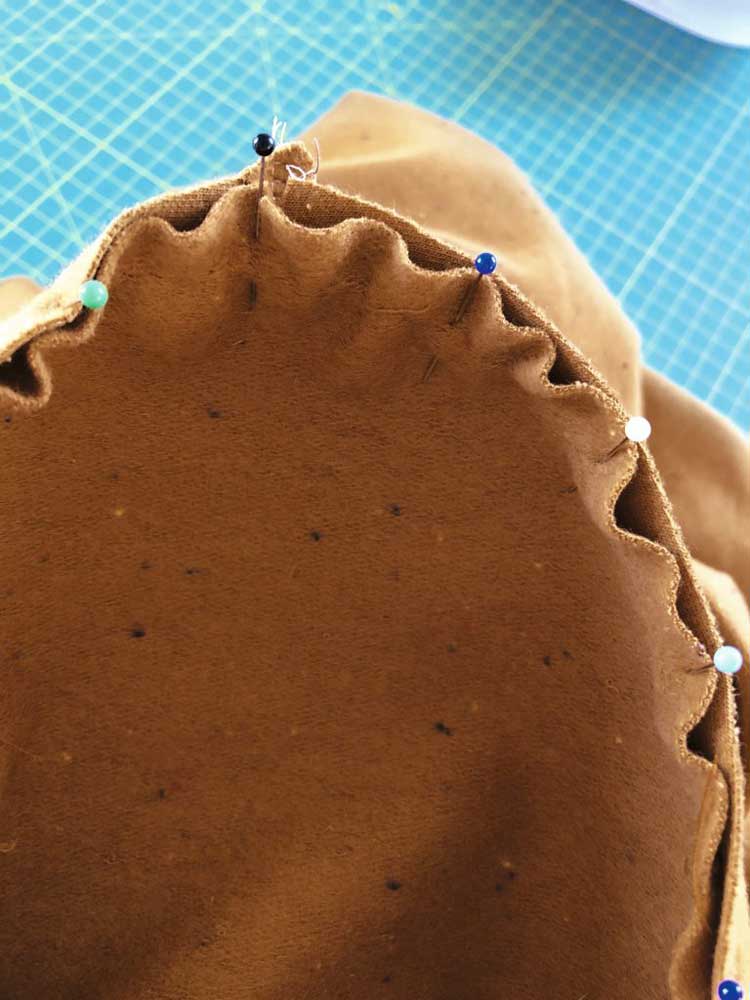
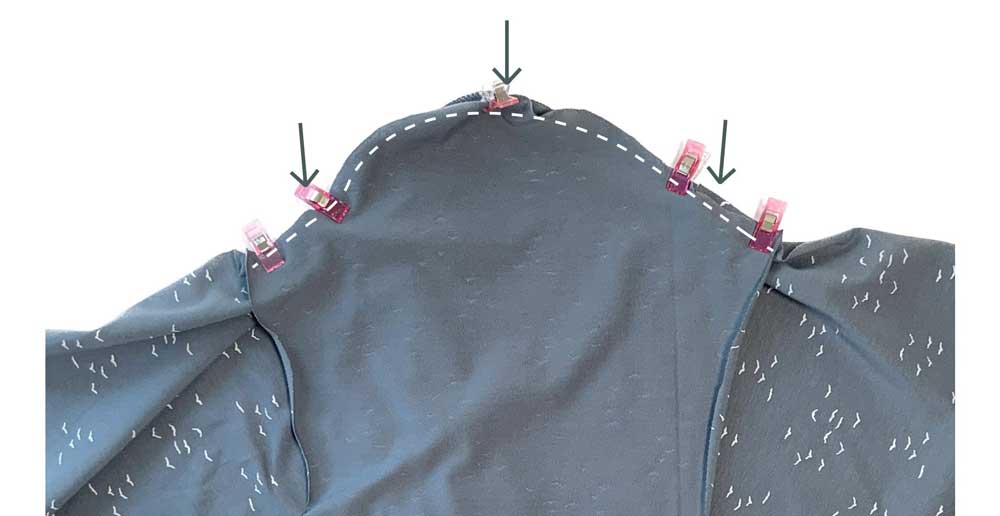
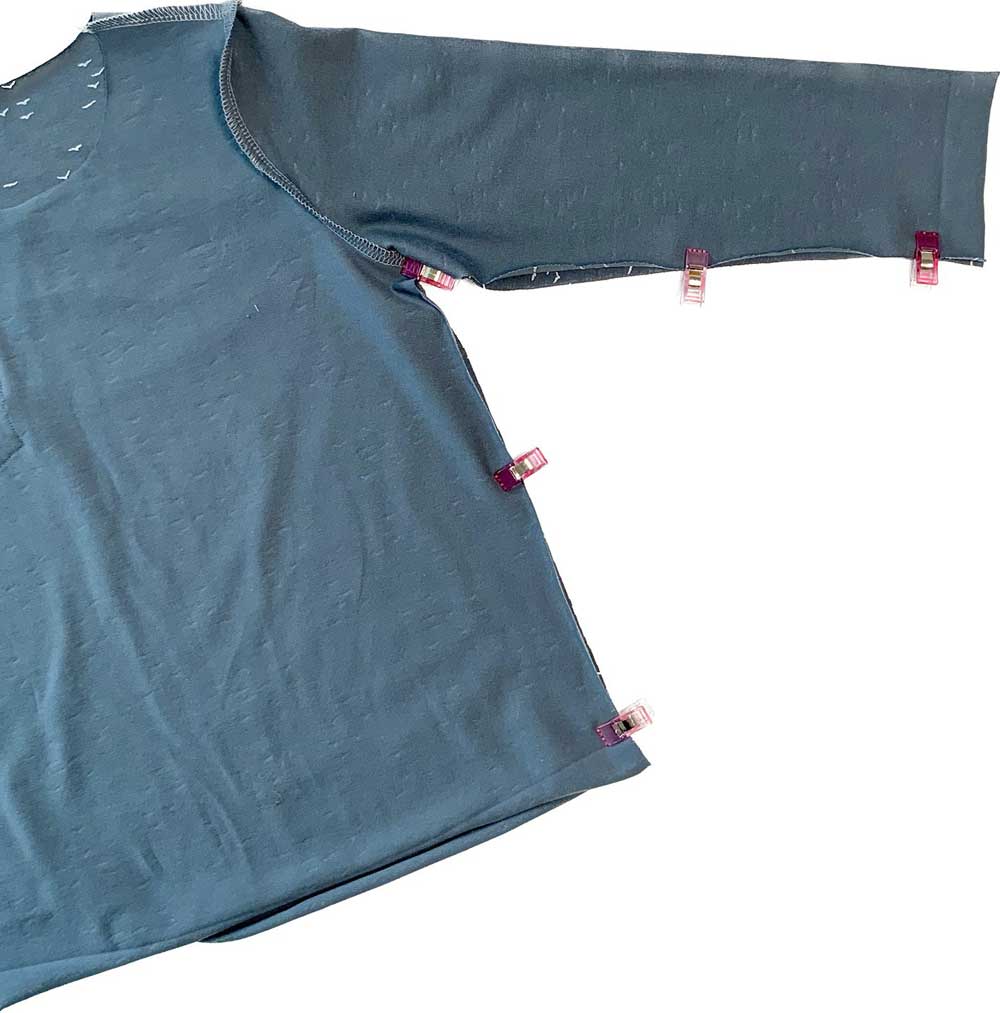
Seam accuracy matters. A seemingly insignificant 1/8-inch difference repeated across several seams can change finished circumference. Stretching a neckline during construction can alter how it sits. Slightly easing one sleeve differently from another affects its shape.
Then there’s pressing—one of garment sewing’s quiet superpowers. Proper pressing shapes darts, sets seams, molds collars, flattens hems, and gives a garment definition. The difference between “homemade” and beautifully handmade often has less to do with an expensive sewing machine than with what happened at the ironing board.
Styling Changes What We See
Finally, remember that you’re rarely comparing garments in isolation. A blouse tucked into high-waisted trousers looks different from the same blouse worn loose over jeans. A dress photographed with heels creates different proportions than one worn with flats. Undergarments can change bust position and garment fit. Even sleeve position, posture, and accessories affect our perception.
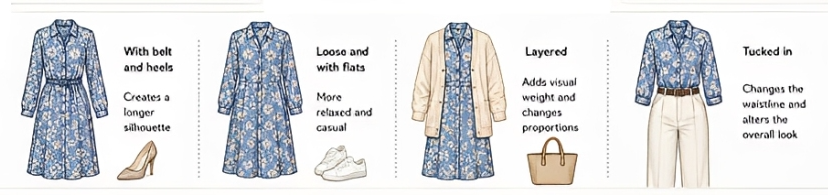
So the next time another sewist’s version of a pattern looks different from yours, don’t immediately reach for the seam ripper. Instead, study the differences. Look at body proportions, fabric behavior, ease, alterations, construction, and styling. Ask why the garments look different. That’s where some of the most useful sewing lessons are hiding.
Because ultimately, the goal isn’t to make your garment look exactly like someone else’s. It’s to understand the pattern well enough to make it look as though it was always intended for you. Your garment should be a reflection of you and your personal style.
~The ASG Sewing Room