If you love experimenting with unusual materials, kraft-tex deserves a place in your sewing room. Sometimes described as washable paper fabric, this innovative material combines the look and feel of leather with some of the flexibility of fabric. It can be cut, stitched, embossed, painted, stamped, and even washed, making it an exciting choice for sewists who enjoy creating distinctive accessories and adding unexpected details to their projects. And it comes in fabulous colors!

Whether you’re making a stylish tote, a durable wallet, or simply looking for something different to incorporate into your garment sewing, kraft-tex offers plenty of creative possibilities.
What Exactly Is kraft-tex?
Kraft-tex is a durable, paper-based material made from cellulose fibers and designed to withstand sewing, washing, and everyday handling. Although it begins with a somewhat stiff, paper-like texture, it becomes softer and more pliable with washing and manipulation, developing a beautifully worn, leather-like appearance. It’s strong, tear-resistant, and flexible.
Available in a variety of colors and finishes, kraft-tex can be purchased in sheets or rolls. Some versions are prewashed for a softer feel, while others retain a firmer structure that works particularly well for projects requiring shape and stability.

Unlike genuine leather, kraft-tex doesn’t require specialized leatherworking equipment. Most home sewing machines can handle it with the appropriate needle, thread, and a few adjustments to your usual sewing techniques.
Preparing for Sewing
One of the first decisions you’ll make is whether to wash your kraft-tex before sewing. Washing softens the material and creates a textured, slightly crinkled finish. For a more structured look, you may prefer to work with it straight from the package.
To soften kraft-tex, follow the manufacturer’s instructions. Many sewists wash it, gently crumple it while damp, and allow it to dry. The resulting texture adds character, particularly to bags, wallets, and accessories.
Kraft-tex can be pressed with an iron, but use the manufacturer’s recommended temperature and test on a scrap first. A pressing cloth provides additional protection.
Cutting is straightforward. Rotary cutters, scissors, and standard rulers work well, although dedicated paper scissors or an older rotary blade may help preserve your best fabric-cutting tools.
Tips for Successful Machine Sewing
Sewing this product is surprisingly similar to sewing medium-weight fabric, but a few adjustments can improve your results.
- Choose the right needle. Start with a sharp Microtex needle, size 80/12 or 90/14, depending on the material’s thickness and number of layers.
- Lengthen your stitches. A stitch length of approximately 3.0 mm works well. Very short stitches can perforate the material, weakening the seam.
- Avoid backstitching too much. The holes are permanent, so avoid sewing back and forth in the exact same spot too many times.
- Avoid pins. Needle holes remain visible, so use sewing clips or removable tape to hold pieces together.
- Test your tension. Sew a sample before beginning your project, particularly when using heavier decorative threads.
- Consider your presser foot. A nonstick or walking foot may help if the material drags beneath a standard presser foot.
Because kraft-tex doesn’t fray, seam allowances can often remain unfinished. This makes it especially attractive for exposed seams, decorative edges, and projects where a clean, contemporary appearance is desired.
One important consideration: Stitching holes are permanent. Unlike woven fabric, kraft-tex doesn’t recover when stitches are removed. Plan carefully and avoid unnecessary seam ripping.
Creative Projects to Try
This paper/fabric shines in projects that benefit from structure, durability, and visual texture. Wallets, cardholders, zippered pouches, notebook covers, luggage tags, and tote bags are excellent choices.
For garment sewists, consider using kraft-tex for decorative pocket accents, appliqués, labels, zipper pulls, or trim. Its leather-like appearance can add a sophisticated finishing touch to denim jackets, casual outerwear, and accessories.
You can also combine kraft-tex with traditional fabrics. Canvas, denim, and sturdy cottons pair particularly well, creating interesting contrasts in texture and color.
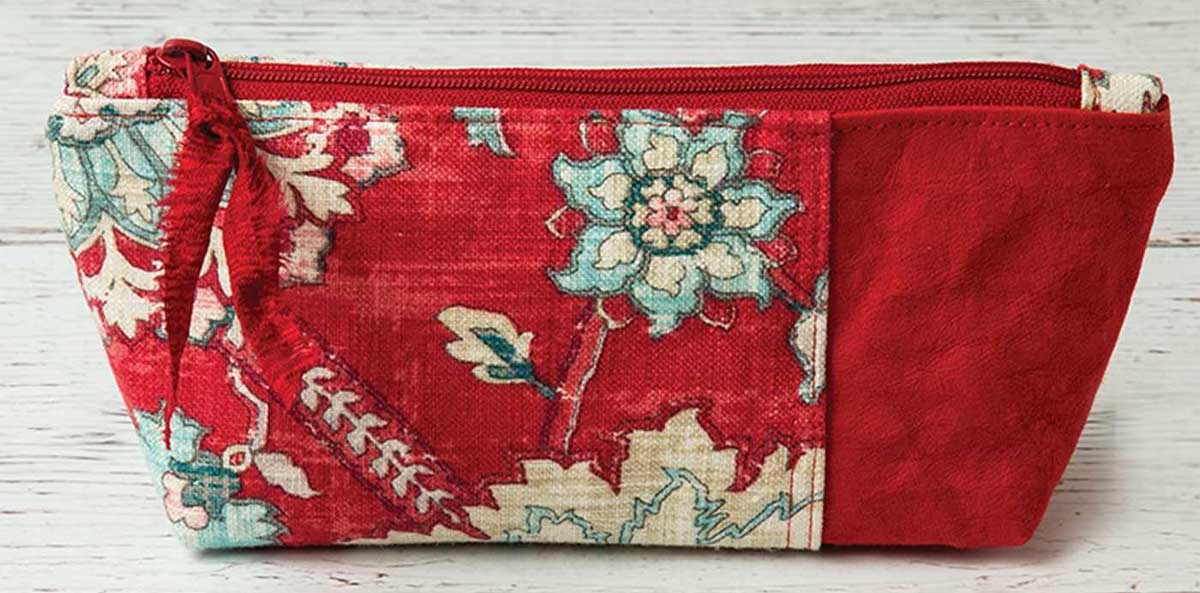
Decorative stitching offers another opportunity for creativity. Contrasting thread, parallel rows of topstitching, and simple embroidered designs can turn an ordinary piece into a distinctive design feature. If you choose to add machine embroidery, use a cut-away sticky stabilizer in the hoop. Avoid designs that create a line of compact stitches and instead look for less dense stitch patterns.
A Few Things to Remember
Although kraft-tex is washable, it behaves differently from woven fabric. Repeated folding, heavy stress, and closely spaced stitching can affect its durability, so consider how your finished project will be used.
For bags and accessories, reinforce high-stress areas thoughtfully and avoid placing too many stitching lines close together. Always test adhesives, paints, and decorative treatments on scraps before applying them to your finished piece.
Give It a Try!
Kraft-tex offers an appealing combination of practicality and creativity. It’s an opportunity to experiment with new textures, explore unconventional construction techniques, and give familiar sewing projects a fresh look.
Start with a simple cardholder or zippered pouch to become comfortable with the material. Once you’ve discovered how easily kraft-tex works with your sewing machine, you may find yourself looking at your favorite patterns in an entirely new way!
There are several books available that offer projects and tips for sewing with kraft-tex. These books may be available at your local sewing/craft stores or are available on Amazon. Note that if you purchase from one of our Amazon links, we may earn a small commission.
~American Sewing Guild