Originally used as an edge finish on heavy wool blankets (hence the name), this aptly named stitch is much more versatile. It can be used for many decorative applications and stitches out quickly and evenly, mimicking hand stitches with the same moniker.
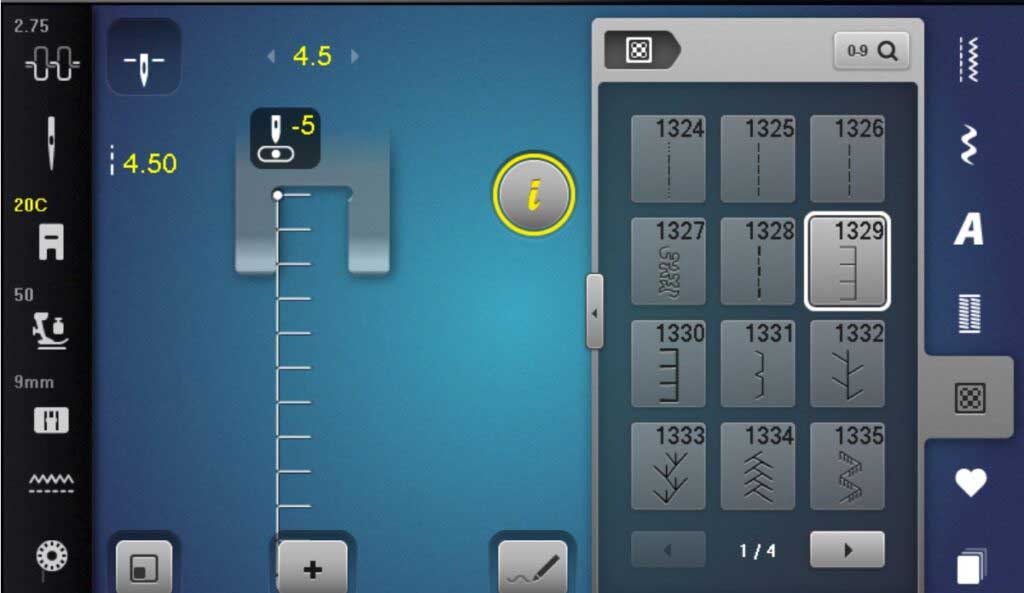
A blanket stitch can be recognized by its two distinct directions—a vertical stitch and a
‘bite” stitch perpendicular to the vertical stitch, forming a distinct right angle. The bite stitch is actually two stitches—one to the left and one to the right to return the needle to the vertical stitch positioning.
The stitch is adjustable in both length (the space between the bites) and width (the reach of the bite to the left). You can have wide bites close together, narrow bites further apart or any combination of the two. If your machine has any kind of software adjustments, you can even change individual stitches (length, width and stitch angle) for a more eclectic hand-stitched look.
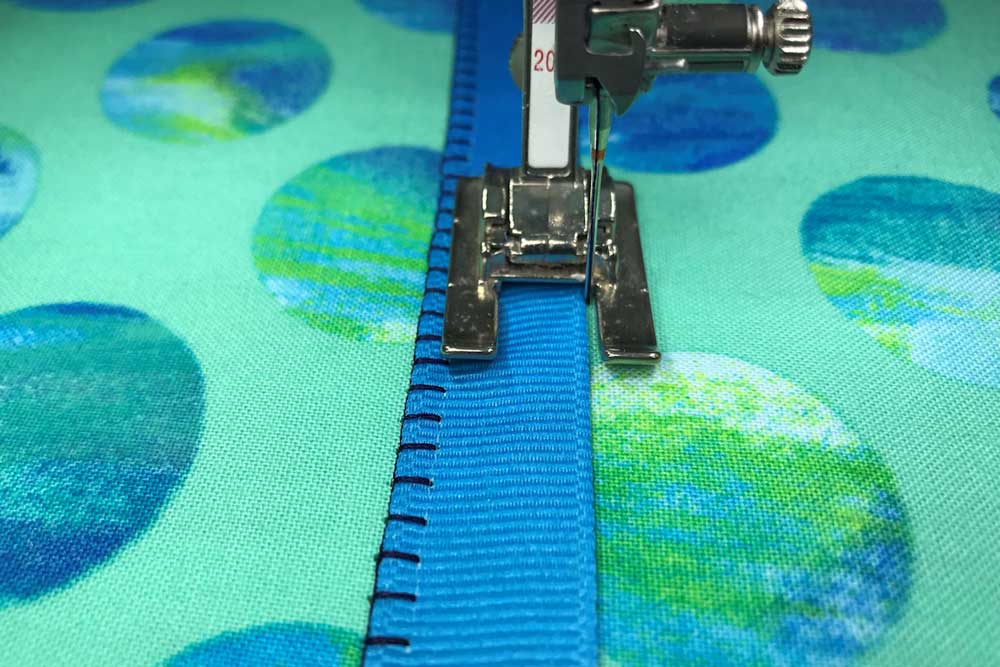
While used most frequently for appliqué (both raw edge and turned), the blanket stitch can also be used as an edge finish on both single- and double-layer edges. It can also be used to accent seams, pockets and hems, and to apply trims such as ribbon, binding and bias tape.
Machine Set-up
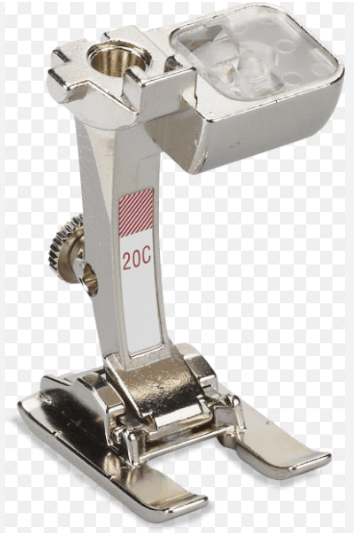
It’s important to select an open-toe foot when using the blanket stitch, as visibility is critical for precise placement. If you’re machine has one, choose an open-toe foot that can also use the dual-feed function for even feeding.
Part of the fun of the blanket stitch is that the look can vary greatly, depending on the type of thread you choose. You can use it with monofilament for an invisible appearance, regular sewing weight thread, or with any number of decorative threads, including wool for a hand-stitched look.
The type of thread you choose and your fabric type will determine the kind and size of the needle needed for perfect stitching. It’s important that the needle eye is large enough not to shred the thread since it’s entering and exiting the same needle hole during the stitch formation.
Blanket Stitch Tips
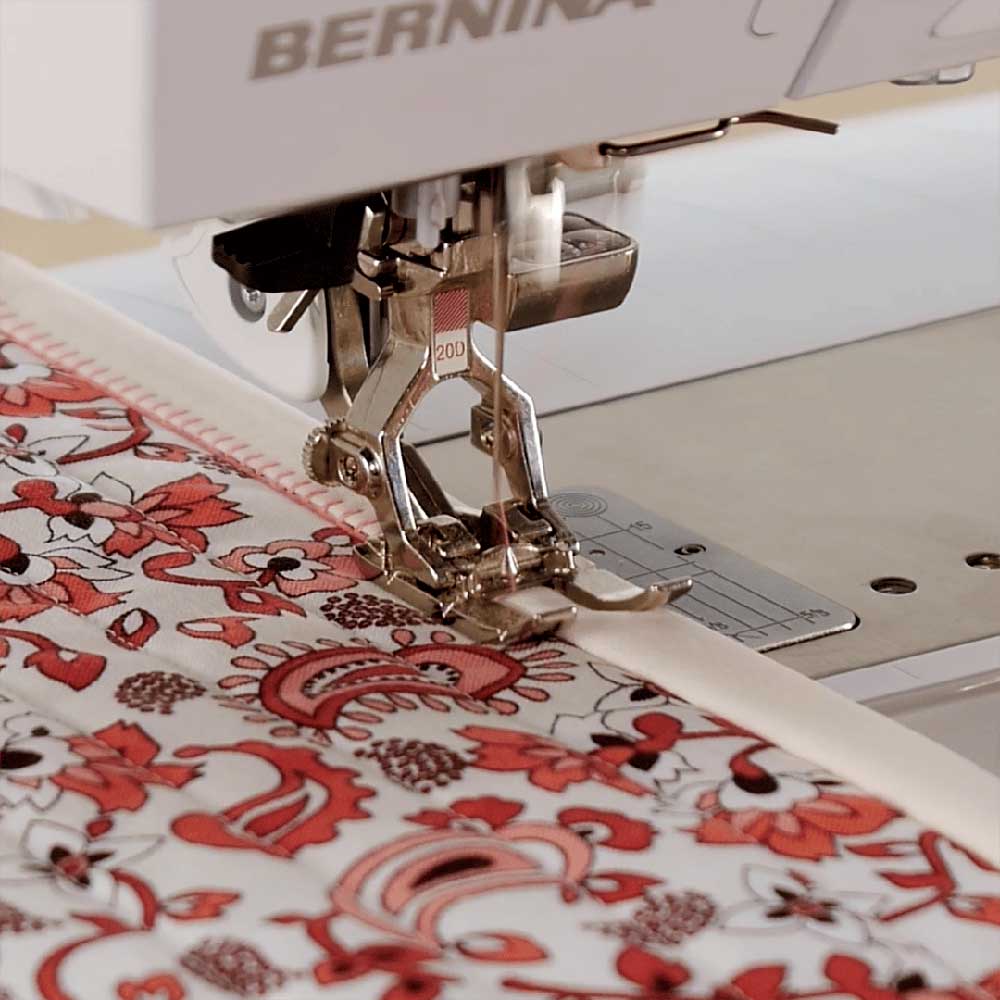
- If your project has corners, curves or points, use the needle-down function if you have it to keep the stitch from shifting as you pivot around the shape.
- Setting the machine needle position to the right or left also helps with visibility and allows the presser foot edge to be used as a guide for stitching.
- If your machine has mirror-imaging functions, it’s possible to reset the bite portion to form in the opposite direction, depending on your comfort level with the stitch.
- Your project may require a stabilizer underneath to avoid puckering if the fabric is lightweight.
- Always stitch a test sample to adjust the stitch settings before beginning the project.
Appliqué
The easiest way to appliqué with a blanket stitch is to secure the appliqué shape in place first using fusible web. That prevents any shifting during the edge-stitching process. Fuse the entire shape or just the edges, or optionally, use a light touch of fabric glue under the edges.
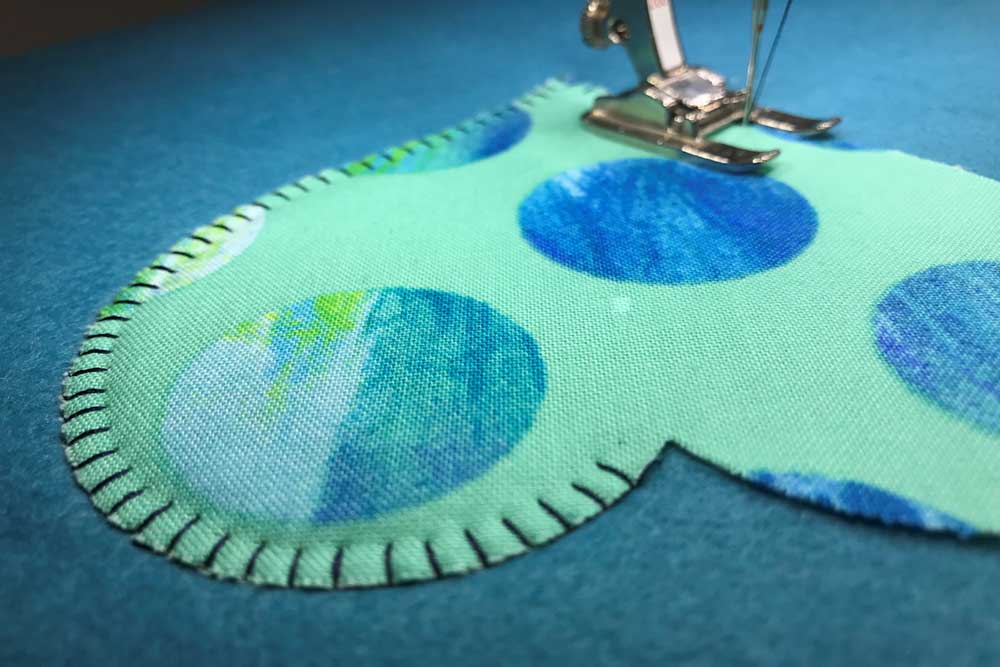
Using the blanket stitch for appliqué creates a neat finish to either a raw or turned edge. The vertical portion of the stitch can rest along the appliqué edge or actually be on it, depending on the desired finished look. Most commonly, it trails along the edge with the bite piercing the appliqué fabric.
At the corner of an appliqué, stop on the vertical stitch side of the stitch with the needle down in the fabric. Lift the presser foot and pivot at the angle needed for the corner. If it’s a right angle, you can then begin stitching again on the adjacent side. If it’s not a right angle or you prefer a diagonal cornering stitch, then pivot accordingly.
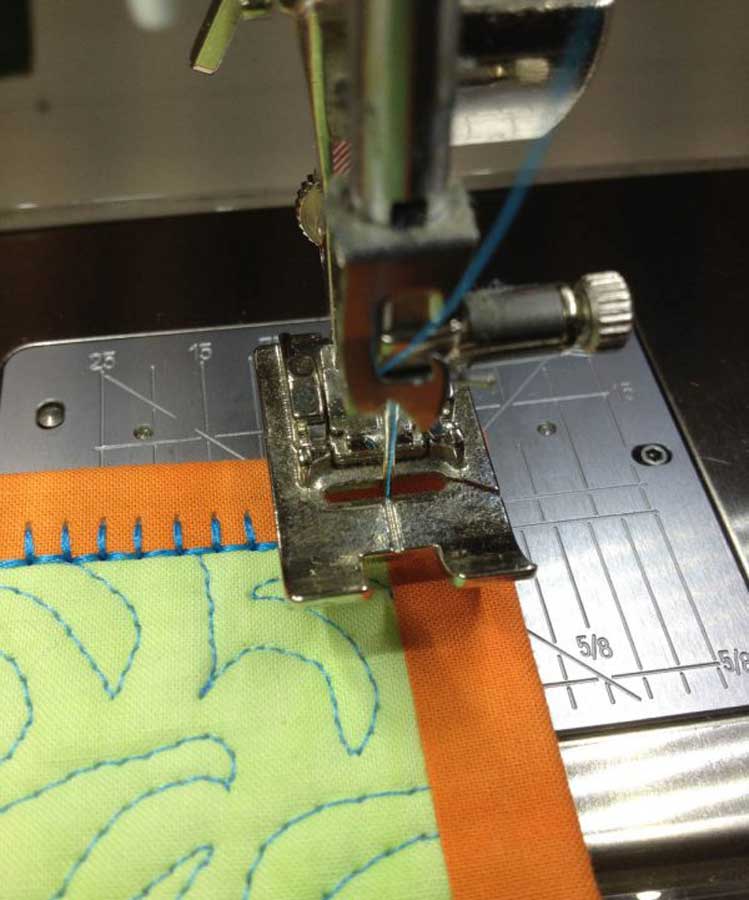
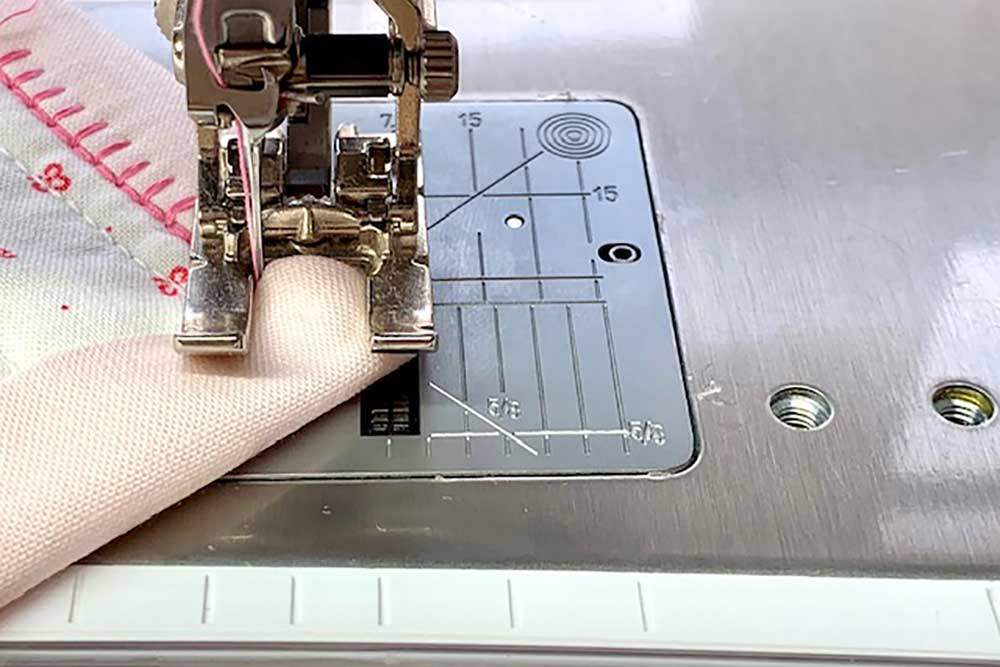
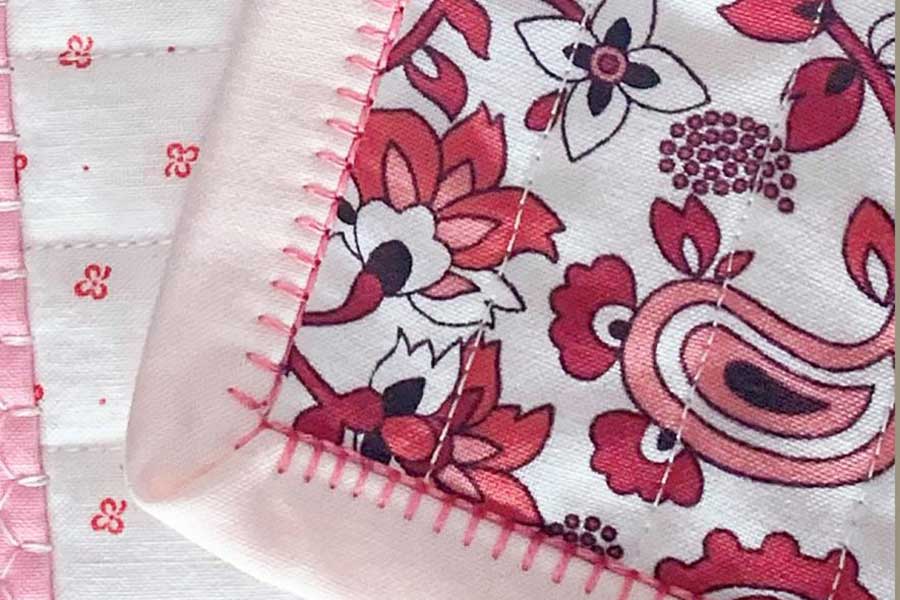
When appliquéing curves, you may need to pivot repeatedly around the curve edges to avoid stitches at odd angles if you try to stitch continuously. Each time, simply leave the needle tip in the fabric and pivot slightly to keep the stitches aligned.
Added Pizazz
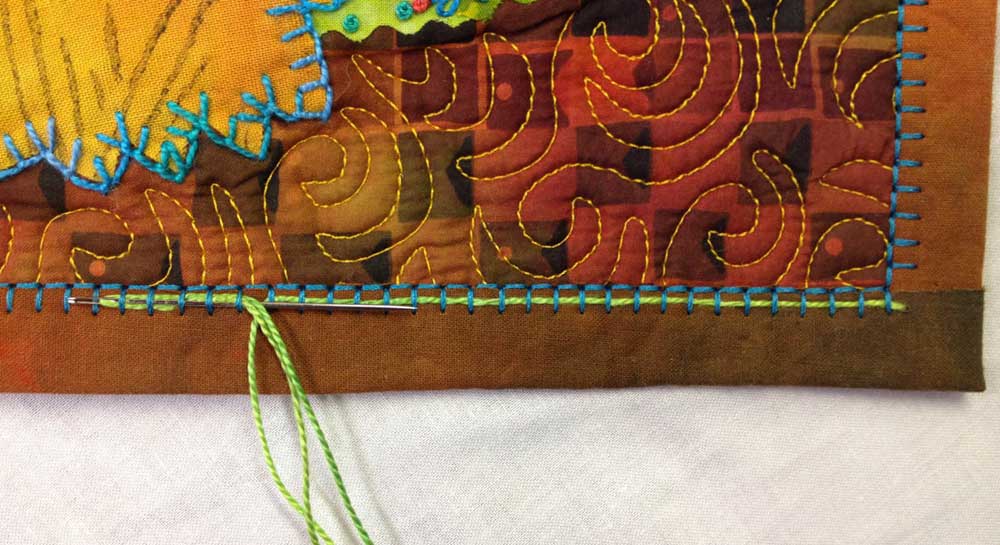
Because the blanket stitch bite is a single stitch in each direction, it can also be used as a channel to add other fiber embellishments after stitching, like yarn or beads, and they’re securely held in place.
All images compliments of Bernina
~Linda Griepentrog is the owner of G Wiz Creative Services and she does writing, editing and designing for companies in the sewing, crafting and quilting industries. In addition, she escorts fabric shopping tours to Hong Kong. She lives at the Oregon Coast with her husband Keith, and three dogs, Yohnuh, Abby, and Lizzie. Contact her at gwizdesigns@aol.com.