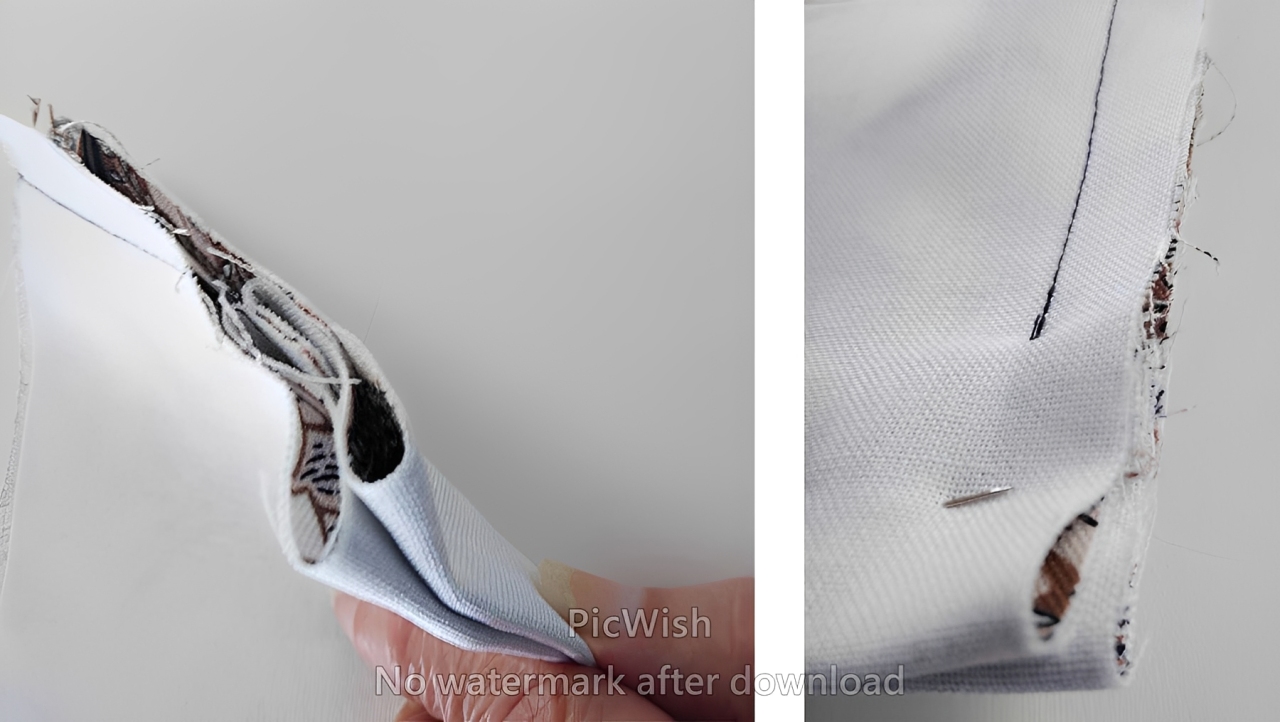
Q: Whenever I appliqué a light color fabric over a darker or patterned base, the color shows through my appliqué fabric and doesn’t look nice. Is there a way to prevent this?
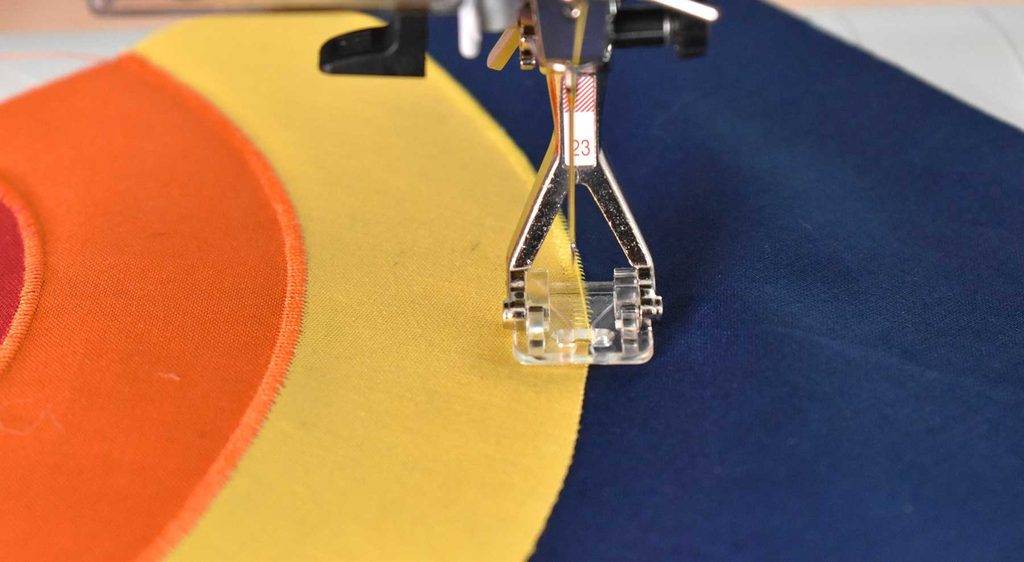
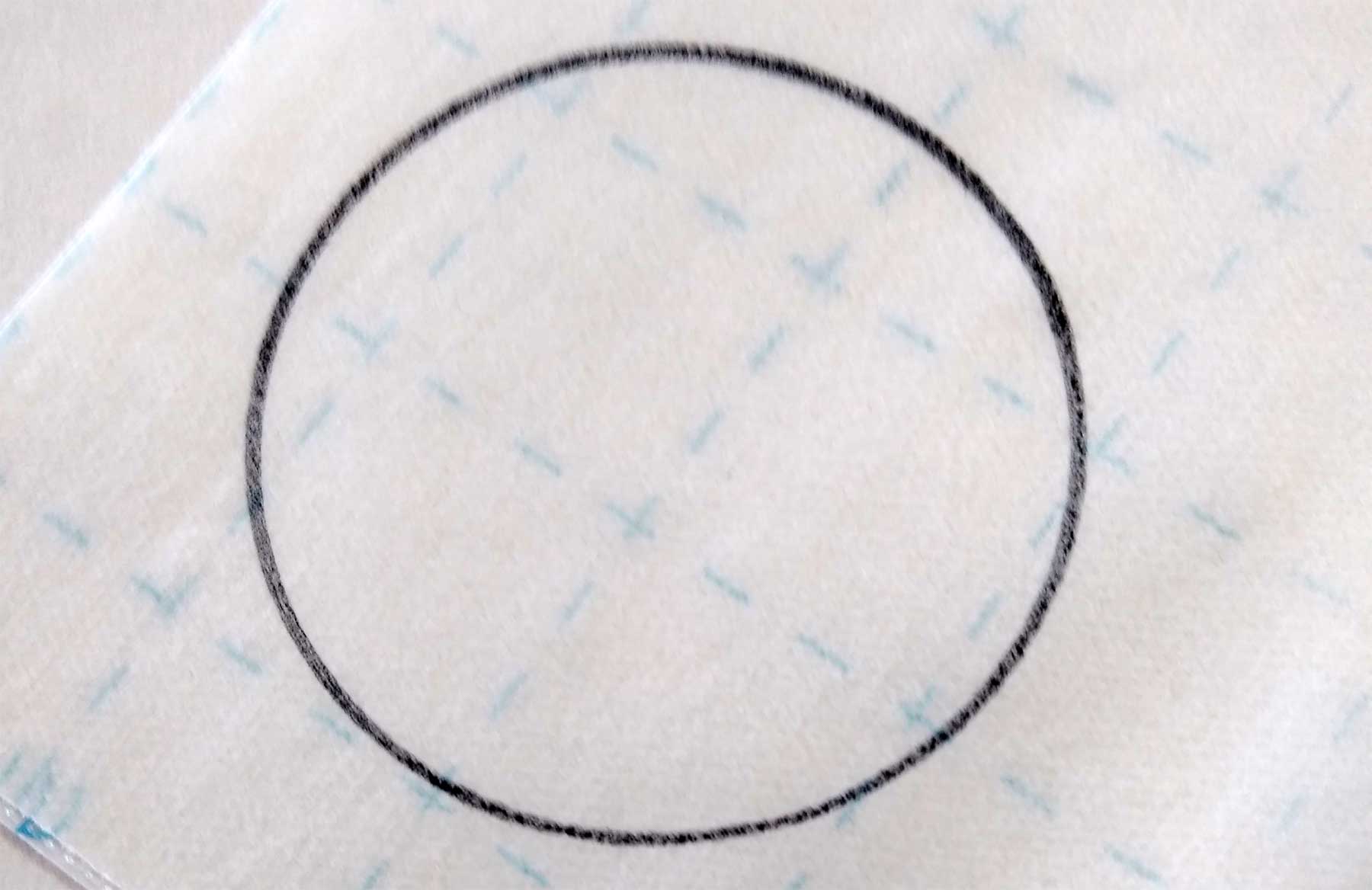
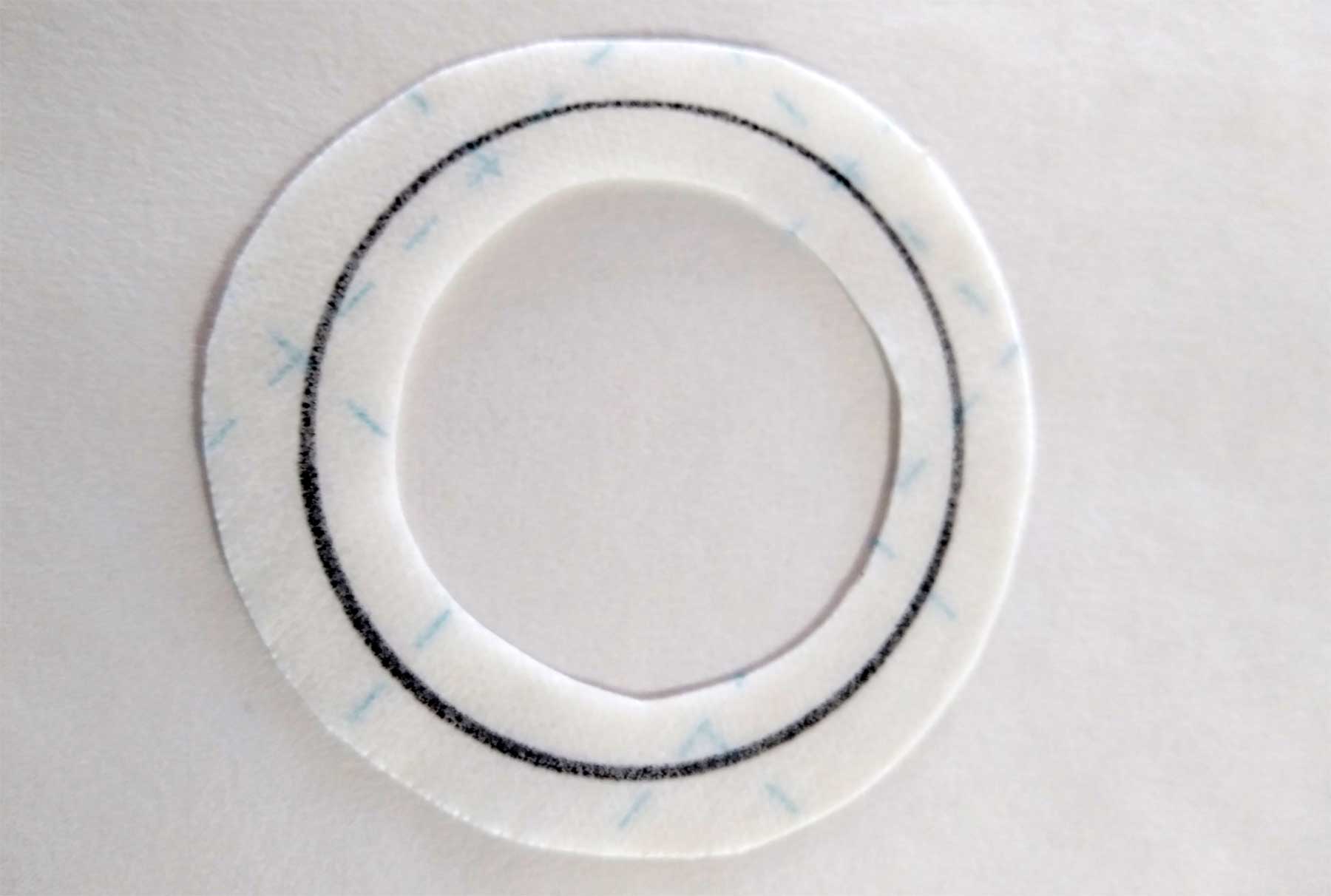
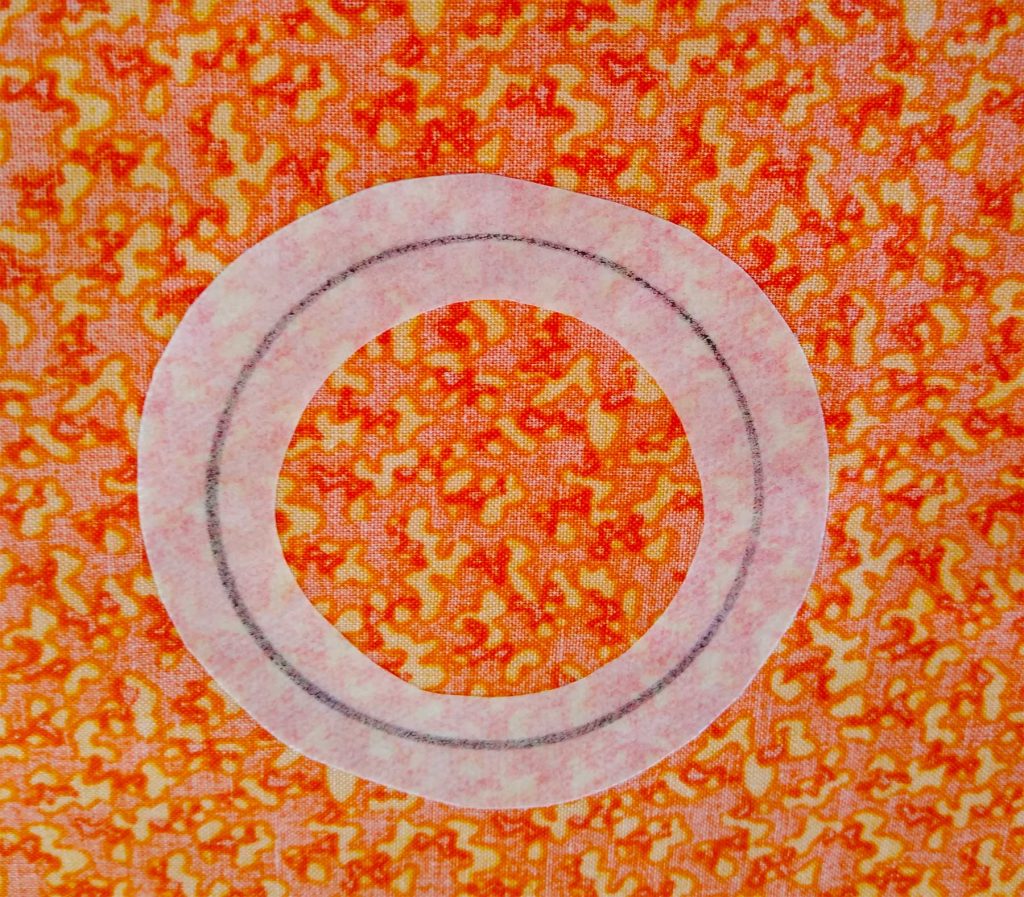
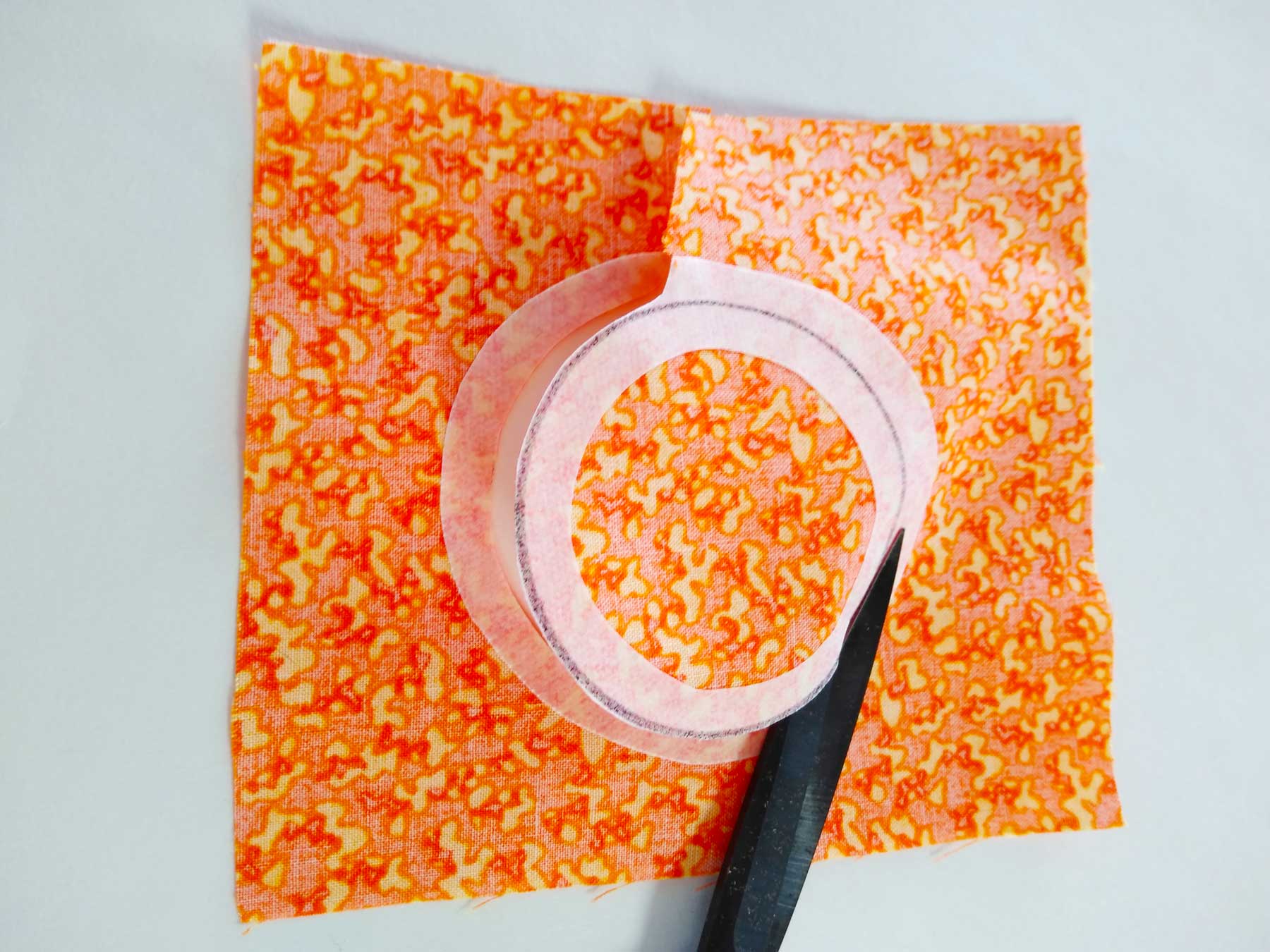
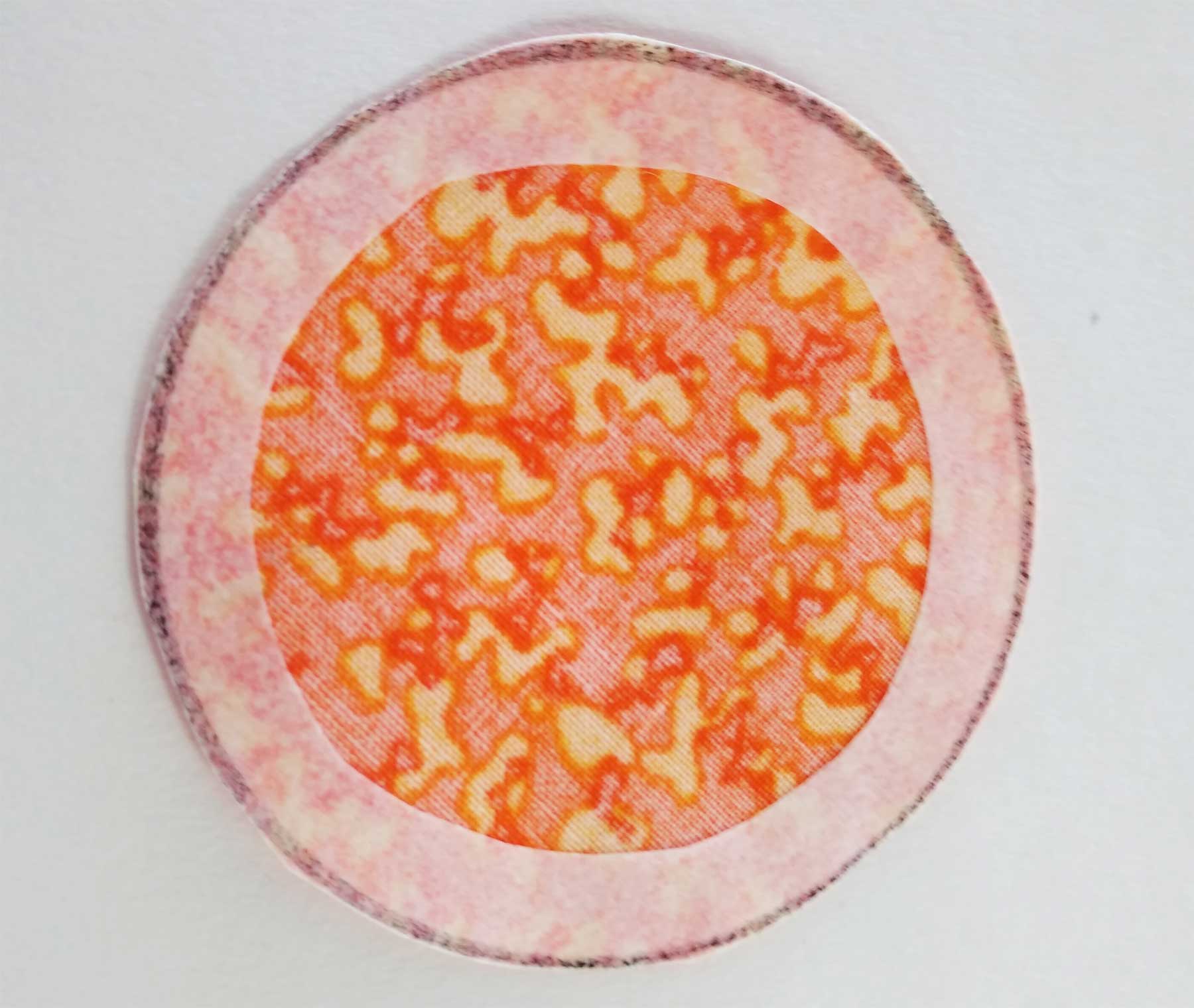
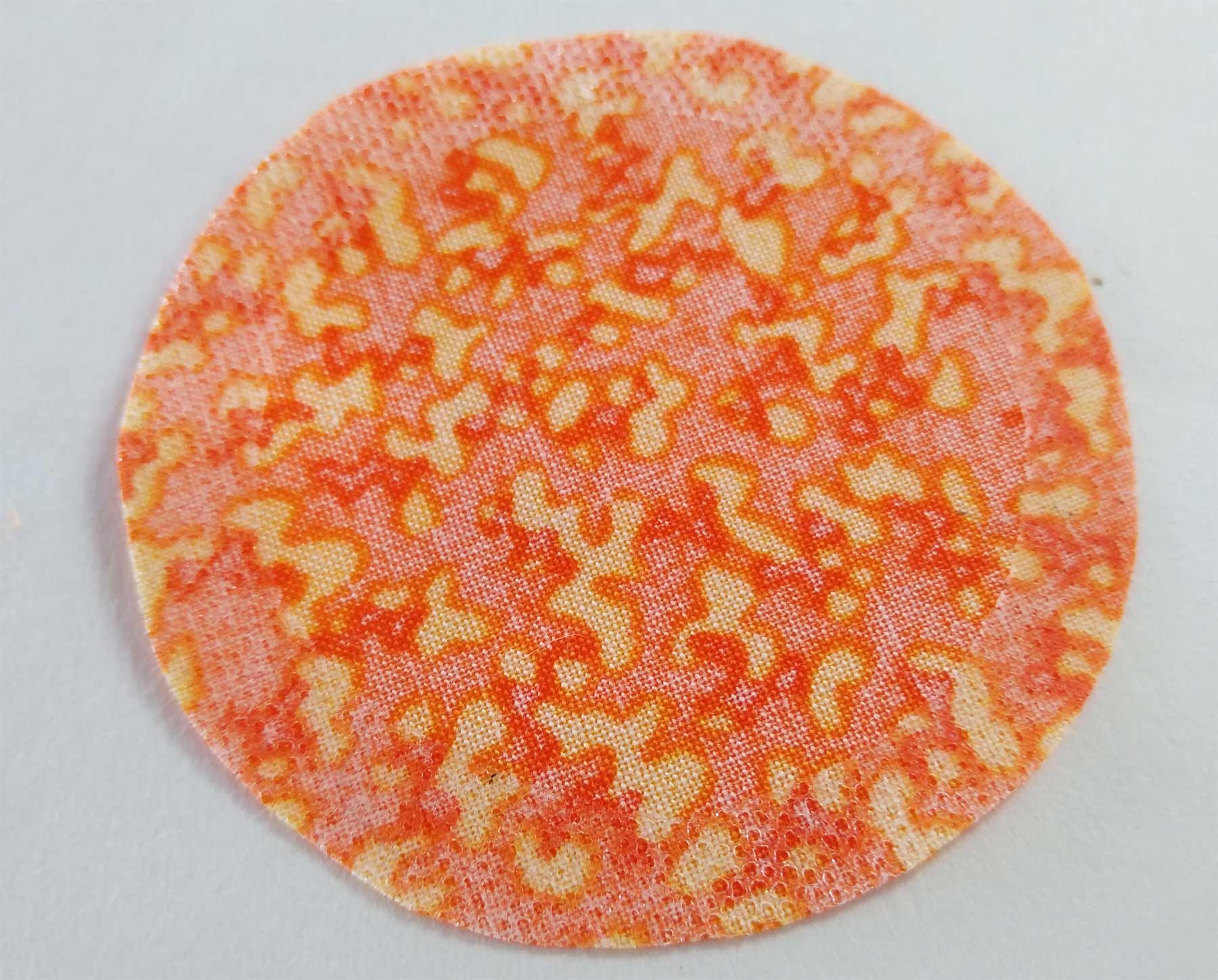
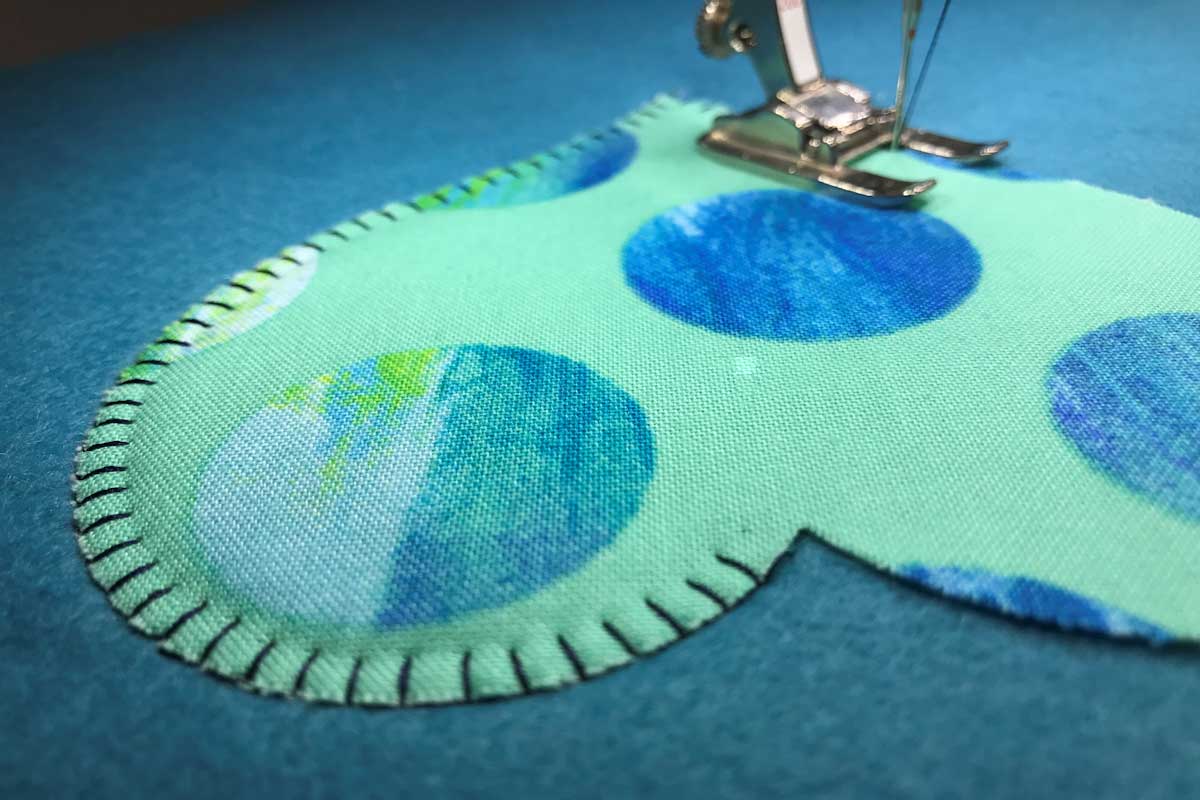
A: Two things will help with this show-through issue. First, apply fusible web only to the outer edges of the appliqué fabric, not to the entire surface. This framing technique is explained here and involves using only about 1/4” of fusible around the outside edges of the shape.
The second way to help eliminate the show-through is to fuse a lightweight interfacing to the underside of the appliqué shape before you begin the cutting and fusing process. That extra light layer adds more opacity to a light color fabric.
Q: I get confused when I’m working with purse hardware. How do I use the slider buckle and where does it go?
A: The slider buckle is used to make a strap adjustable—it can be used on a single purse or tote strap, or on shoulder straps on a backpack. Sliders are also used on waist packs to allow for size adjustments. They are available in both metal and plastic.
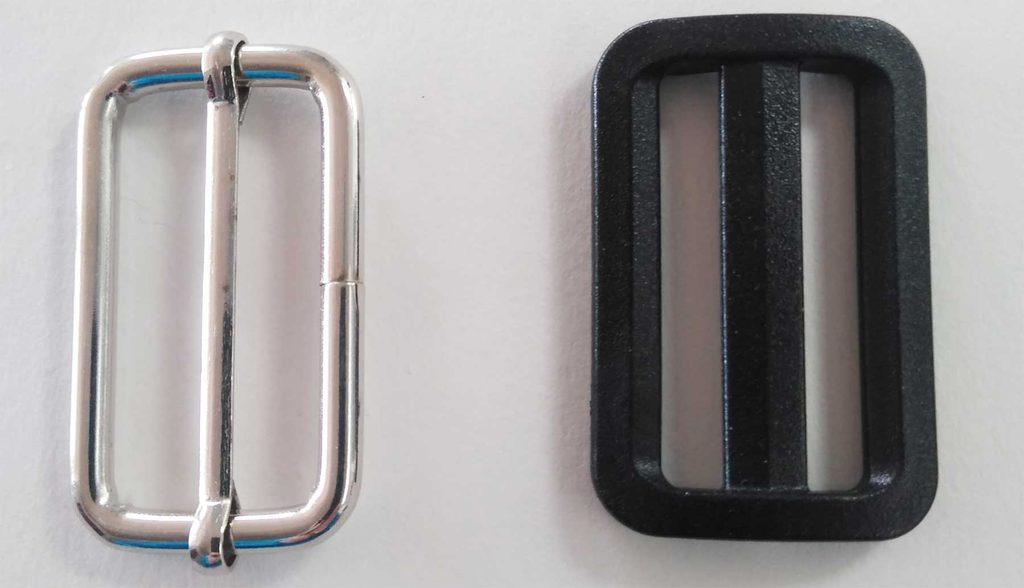
The strap portion with the slider can be attached permanently to the project by means of a rectangular ring in place on the project before installing the slider strap, or it can be detached if swivel hooks are applied to both slider strap ends.
To attach the adjustable slider buckle, wrap the webbing/strap around the center bar of the slider buckle for about 1”. Stitch the webbing end in place using multiple rows of stitching or an X pattern. The webbing/strap end may be heat sealed or turned under, depending on the thickness.
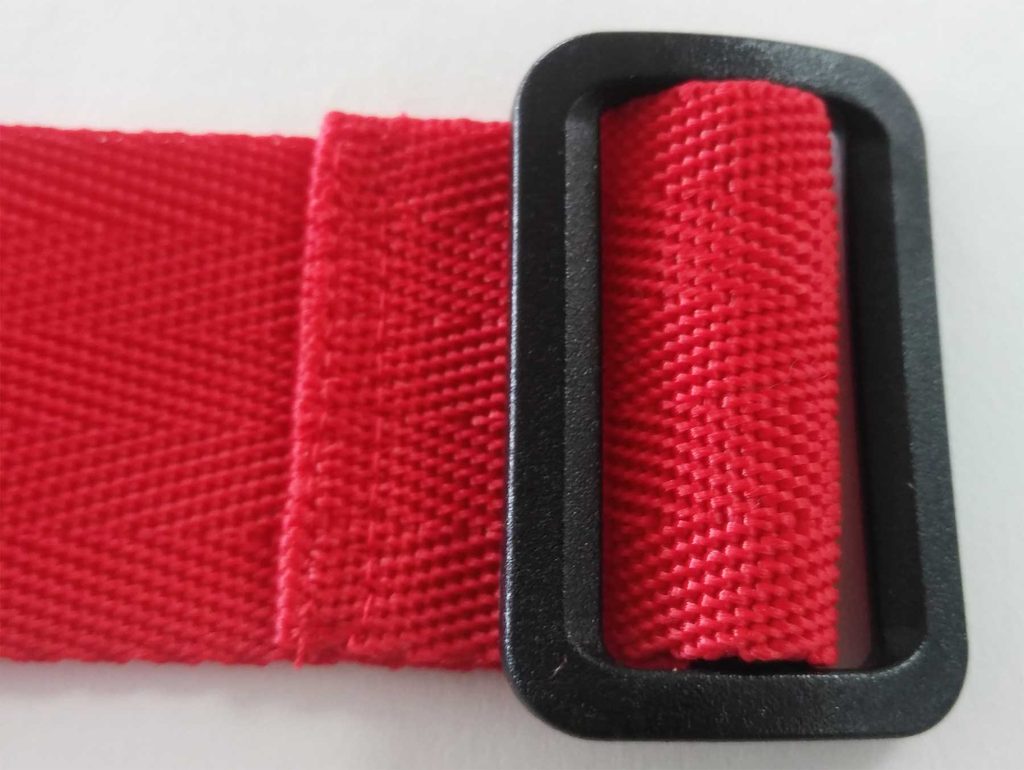
Thread the unattached webbing/strap end through the ring on the project (or the swivel hook) and back through the adjuster buckle.
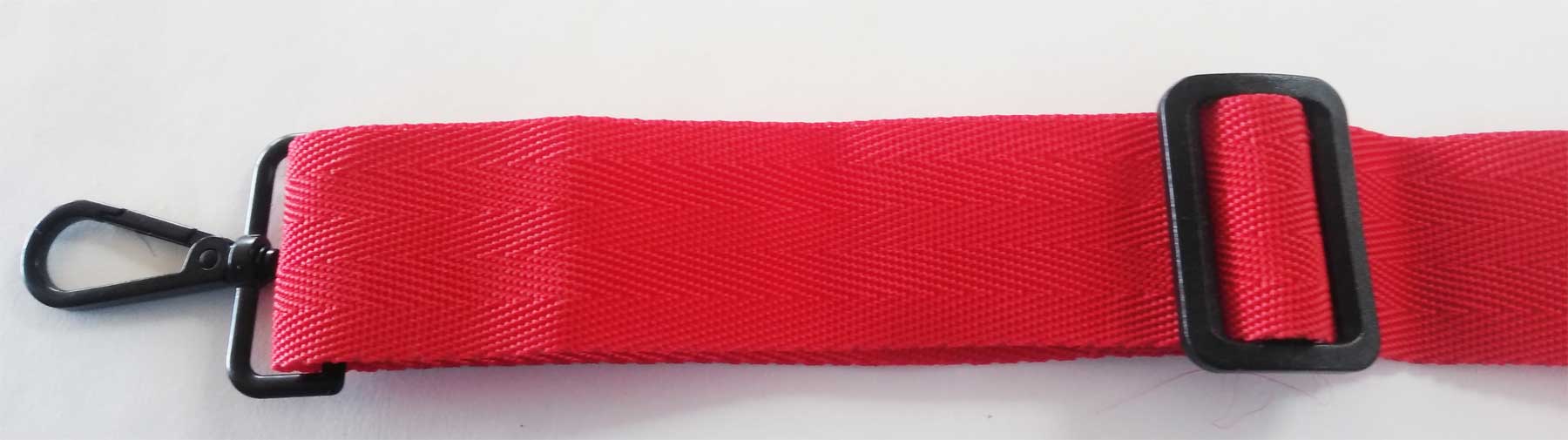
The side view of the threading pattern is shown here.
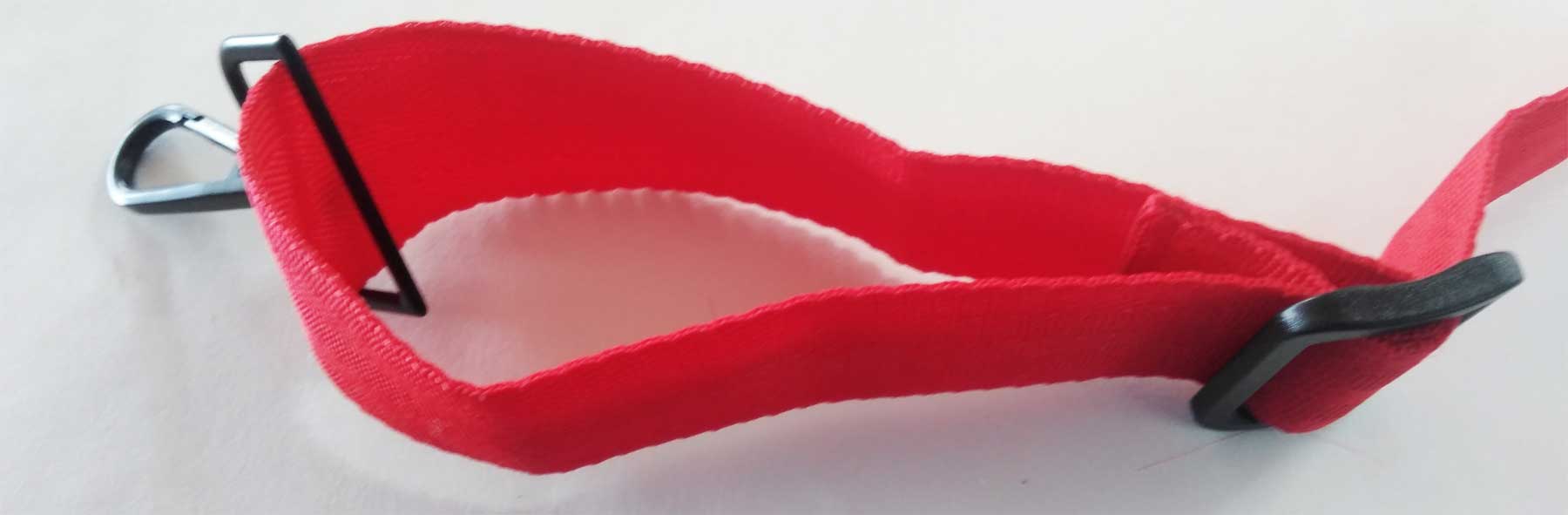
Enclose the free end of the webbing directly in the adjacent project seam or thread it through another rectangular ring that’s already attached. Or, if the strap is detachable, add another swivel hook to the free end. The adjuster slides along the webbing to change the strap length.
Q: When should I use sew-in interfacing instead of fusible?
A: Sew-in interfacing should be used when you’re working with delicate fabrics that can’t take the heat needed for fusing and/or might have adhesive show-through. Fabrics like sheers, satins and silks are likely candidates for sew-ins. Also, if you’re doing traditional tailoring where the interfacing is used with stitching to build in shaping.
Always test interfacings on scraps of the project fabric before choosing. Compare the hand of the fabric and drape to what’s needed in the interfaced garment area. Fusible generally creates a stiffer feel due to the adhesive.
Q: Do I really need pinking shears? What do they do?
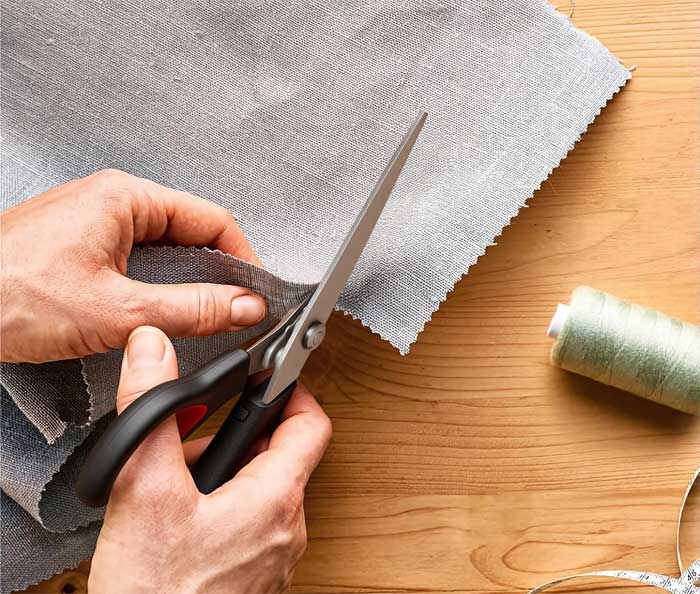
A: As with some other sewing tools, you can do without them, but they’re nice to have and can make your sewing more fun. Pinking shears offer large blades honed in a V-shaped pattern, much like saw teeth. When you use them to trim woven-fabric seam or hem allowances, they help prevent raveling and can eliminate the need for alternative finishes. You can also use them to help trim enclosed seam allowances on a curve as they notch out little bits of fullness for a flatter turned seam. Perhaps the most fun of these novelty shears is to make decorative edge finishes on felt and other densely woven fabrics. So, short answer is that you don’t really need them, but they’re fun to have in sewing tool box, as are their cousins, scallop shears.
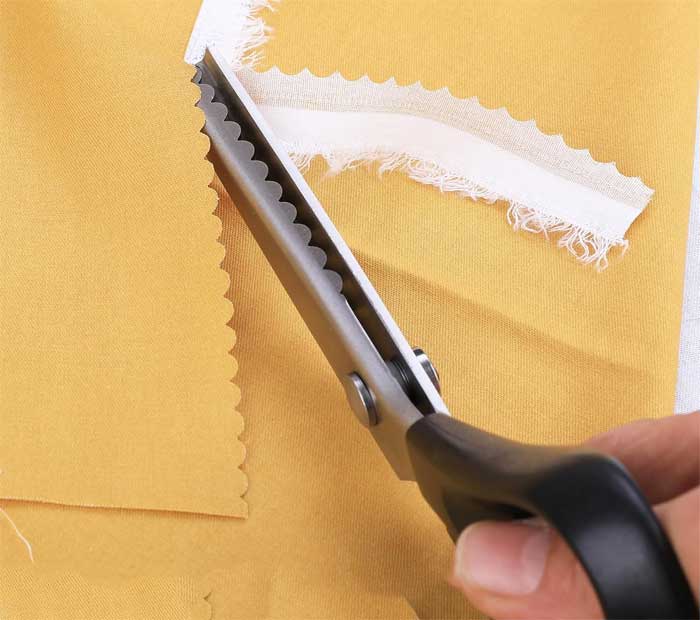
Note that you can also get pinking and scallop rotary cutter blades as well.
~Linda Griepentrog is the owner of G Wiz Creative Services and she does writing, editing and designing for companies in the sewing, crafting and quilting industries. In addition, she escorts fabric shopping tours to Hong Kong. She lives at the Oregon Coast with her husband Keith, and three dogs, Yohnuh, Abby, and Lizzie. Contact her at gwizdesigns@aol.com.