American Sewing Guild (ASG)

Visit our blog Visit the ASG Facebook page Visit ASG on Pinterest Visit ASG's YouTube channel Visit ASG on Instagram
  • Home
  • Join ASG
    • Join Online
    • Chapter Locations
    • Member Benefits
    • Member Brochure
    • Join by Mail
  • Education & Classes
    • Virtual Conference: Member Registration
    • Virtual Conference: Non-Member Registration
  • Resources
    • Contests & Awards
    • Giving Back
    • Hall of Fame
    • Travel and Tours
    • Measurement Chart
  • Shop
    • ASG Store
    • Chapter Products
    • Video Resources
  • Blog
  • About
    • About Us
    • Donate to ASG
    • ASG Sensitivity Statement
    • FAQ’s
    • Start a Chapter
  • Contact
  • Member Login
    • Login First!
    • Members Only
    • Leadership Only
    • Website FAQ’s
    • Logout
  •  

October 15, 2021

Fabric Sources: Wool

This article is Part 2 of the Fabric Sources: Living Things series

Plants (part 1) | Plants (part 2)
Living Things: Silk | Living Things: Wool | Other Living Things
Minerals: Acrylics, Polyester, & Nylon (part 1) | Minerals: Spandex and Rayon (part 2)

When you think of wool, you probably think of sheep, but did you know that the hair of some other mammals such as goats, alpacas, and rabbits may also be called wool? Let’s look at all of these, starting with sheep since it is the most common and affordable.

Sheep

The hair of sheep is the most commonly used animal fiber. Merino wool is most prized as it is a particularly soft and warm fiber. Wool varies in diameter — the finer the wool, the softer it will be, However, coarser grades are more durable and less prone to pilling.

How is it processed?
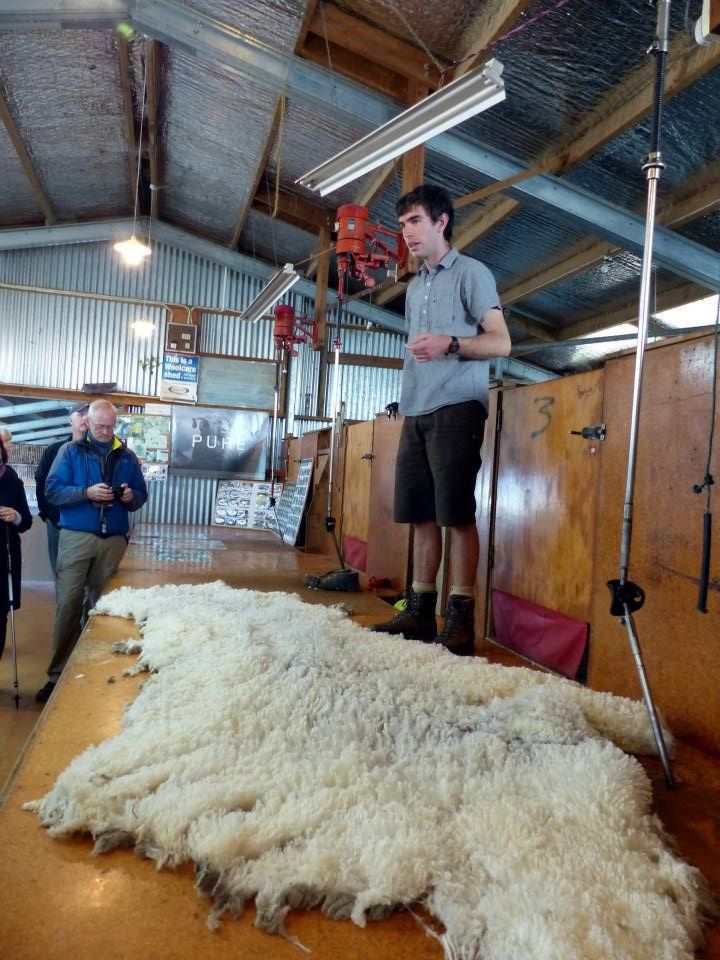
Example of wool from shearing a sheep

Sheep are shorn of their wool usually once a year. After scouring to remove grease and dirt, wool is carded and combed, then spun into yarn for fabrics or knitted garments. While on vacation in New Zealand, I had the opportunity to stay on a sheep farm and see a sheep being shorn.  I was amazed at the amount of wool that came from a single sheep! To watch the process of taking shorn wool to wool fabric, watch this 7 -minute video.

Pros

Wool fabric is warm and insulating, making it a great choice for winter apparel. It is wrinkle and odor resistant, has good drape, and easily accepts dye. And its ability to absorb and release moisture makes woolen garments comfortable as well as warm.

Cons

Pure wool can be scratchy on the skin and must be dry cleaned to avoid shrinking and felting (become more compact/dense). However, this felting effect can be used to your creative advantage if that is the effect you are going for.

Impact on the sheep

Shearers are often paid by volume, which encourages fast work. Shearers are encouraged not to be hasty and careless so that no injuries occur to the sheep.

Where can I buy it?

Wool is readily available almost anywhere.

  • The Sewing Place

Goats

Goat hair is the source of two luxurious fabrics – cashmere and mohair. Cashmere, also known as Pashmina, is made from the downy undercoats of the Cashmere goat. It is a very insulating fabric and can be woven in light or heavy weights. Mohair is made from the hair of the Angora goat and is known for its silky feel and beautiful sheen.

How is it processed?

Cashmere goats are sheared once a year in the Spring and produce a smaller volume of wool per shearing than the Angora goat. It takes the hair of approximately 6 goats to produce a single cashmere jacket. This hair is combed out over a period of about two weeks’ time and is then collected, cleaned, and processed. The combing process only harvests the finest undercoat hairs. For a chance to see these cashmere goats, watch this 2-minute video.


Angora goats can be sheared twice a year as the hair grows much more rapidly than the Cashmere goat. Plus, these goats produce more volume per shearing than the Cashmere goat. The mohair is scoured, carded, and sometimes combed, much like wool. Although angora goats are raised for mohair around the globe, the two major producers are South Africa and Texas. Watch a Texas farmer talk about raising and shearing his Angora goats in this 2 ½ minute video.

Pros

  • Cashmere is prized for its softness and fine quality. It is warmer than sheep’s wool yet lightweight, breathable, and less irritating to the skin. It is also wrinkle-resistant.
  • Mohair also possesses qualities such as warmth, lightweight, wrinkle-resistance, and softness. It is dyes exceptionally well, and it is more durable and affordable than Cashmere.

Cons

Cashmere is a luxurious fabric which means it is an expensive one. Its delicate nature means you will want to dry clean it and store it folded rather than hung. Like wool, pilling can be an issue. Mohair is also an expensive fabric option, though less than cashmere. It is not as soft as cashmere and can have a slightly frizzy look.

Impact on the goats

Shearing (most common) can be stressful to the goats and robs them of their natural insulation. This could leave them vulnerable to cold temperatures and illness so weather should be considered when planning the shearing schedule. Combing is an option but requires more time and physical effort and is thus less common.

  • Mohair production is stimulated by a high protein diet. However, as protein in the diet increases, so does the fiber diameter, which is an undesirable side effect. Nutrient requirements for mohair are relatively low. The Angora goat is extremely sensitive to undernourishment, especially during reproduction and must be taken in to consideration.
  • Cashmere goats produce only a small amount of finer fiber relative to mohair and are less sensitive to environmental stress.

Where can I buy it?

Both cashmere and mohair fabrics can be found in many upscale fabric shops. You will need to look a little harder to find them, but they are available.  A few sources are listed here:

  • Mendel Goldberg
  • Mood Fabrics

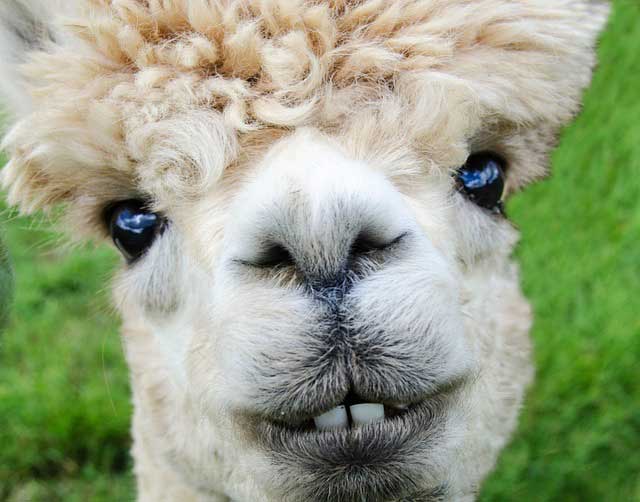
Alpacas

Alpaca fiber is sourced from the wool of alpaca, a variety of camel native to Peru. Its wool is soft, very warm, and can be blended with wool, mohair, and silk to create beautifully soft, high-end textiles. Certain premium alpaca fibers shorn from young animals are even considered lighter, warmer, and softer than cashmere. Generally, alpaca wool is available in white; however, colors such as blackish blue, brown, silvery gray, and blackish brown are also found.

How is it processed?

Alpacas are shorn once a year. The fiber is washed to remove sweat and oils, then dried and sent through the picker to open the fleece and prepare it for carding. Carding will separate the fibers and drop out the less desirable hairs. The result of this step is a thin sheet, called a web, which is wrapped around a drum to form batts or run through a pair of rollers to form a loose tube, called roving. Next comes the combing which aligns the fibers neatly into slivers which can be spun. Once the slivers are spun, they can be twisted into multi-ply threads/yarns which are now ready to be wound onto cones and woven or knitted into fabric. Watch this 4-minute video on YouTube if you would like to see a bit of the shearing and processing described.

Pros

Alpaca wool is warmer, lighter, and stronger than sheep’s wool. It is soft, fine, glossy, and luxurious. Another advantage is that it is hypoallergenic.

Cons

Alpaca fabric is typically expensive, and it can be itchy. It is also susceptible to moths so it must be stored in a manner to protect against them.

Impact on the animals

Raising alpaca has less of an impact on the environment as compared to other wool-bearing animals. However, as with any animal, if the farmer is not committed to quality and gentle animal care, they can experience harsh treatment during shearing.

Where can I buy it?

As with cashmere, you will need to look in upscale shops to find this luxury fabric. I found it listed in these online shops:

  • Tissura
  • Mood Fabrics
  • B&J Fabrics

Rabbits

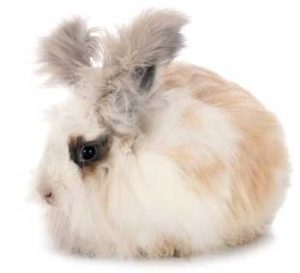
image of an angora rabbit
Angora rabbit

Angora fiber refers to the soft down coat produced by the Angora rabbit. Angora wool has been used in the production of sweaters and suits for quite some time and it’s an ideal fiber for thermal clothing and for people suffering from arthritis and wool allergies.

How is it processed?

Angora wool is harvested during molting season, which happens three to four times yearly. It is harvested by shearing or plucking the rabbits. Careful and gentle plucking of the shedding hairs is a better harvesting technique as it reduces the number of guard hairs retrieved, adding to the roughness of the coat. Removing the loose wool also helps to prevent wool block from the rabbit grooming itself and ingesting the loose wool fibers.

The premium wool is taken from the back and upper sides of the rabbit. Fiber quality diminishes on the belly and neck, and further diminishes on legs and rump. Angora rabbit wool is ready to shear when it has grown to between 3 and 5 inches in length.

Once collected, the fibers are carded and spun before being dyed and finally woven or knitted into a fabric. The fineness of these fibers makes them quite difficult to spin.

Pros

Angora is prized for its softness, quality, and fluffiness. The fiber also felts very easily. It absorbs water well and is easily dyed.

Cons

Garments made of 100% angora wool are sometimes considered too warm so it is usually blended with other fibers, such as wool. It is very expensive since production is costly and time consuming. In addition, the rabbits need a lot of maintenance for their fur to be in top condition.
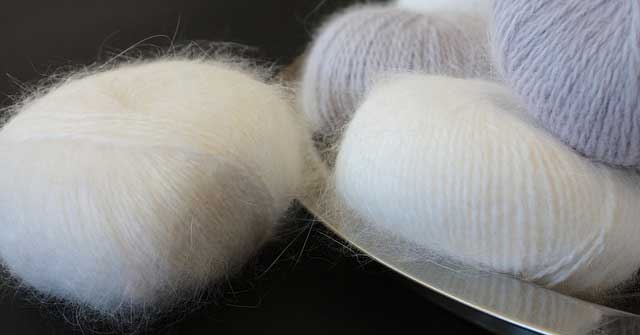
Angora yarn

Impact on the animals

Angora rabbits raised in large operations are intensively farmed in hutches, usually in semi-darkness, and often experience cruelty, abuse, and intense stress during the farming and wool removal experience. The extremely long furs are best removed gently by hand to help preserve the health of the rabbit; however, this is quite time-consuming and many farmers will shear instead.

Where can I buy it?

As you might expect, this is another fabric you are only likely to find in upscale fabric shops. Here are a few I found:

  • Mood Fabrics
  • Tissura
  • B&J Fabrics

~Sheryl Belson

This field is for validation purposes and should be left unchanged.
Did you enjoy this article?
Are you an ASG member?

Tagged With: fabric, textiles, wool

August 20, 2021

Fabric Sources: Plants (part 2)

This is article 2 of a multi-part series focusing on three categories of fabric – fabric made from plants, from living beings, and from minerals. Part 2 covers some of the more unusual and unexpected plants that are used to create fabric.

Plants (part 1) | Plants (part 2)
Living Things: Silk | Living Things: Wool | Other Living Things
Minerals: Acrylics, Polyester, & Nylon (part 1) | Minerals: Spandex and Rayon (part 2)

And Now for the Not-So-Usual…

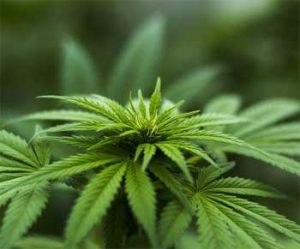
Hemp

Not your typical marijuana plant, hemp can now be legally grown (within very specific restrictions) throughout the US. A more familiar use of this plant is as a source of CBD oil. And while it only captures a small portion of the textile market — less than 1% — it is also used to make fabric.
Hemp fibers can be woven and knitted to create fabric and has been used to make cloth since ancient times. The mixture of hemp with cotton, linen, silk, and wool gives hemp greater softness, while adding strength and durability to the product.

How is it processed?

Hemp fiber is obtained from the stem of the plant. Prior to the 1980s, hemp fabric was considered too rough to comfortably wear, but new processing techniques have made it much more wearable. Producers discovered a process using enzymes that removed the fibers’ roughness while still allowing it to retain its durability. Fiber-grown hemp is much less labor-intensive than CBD hemp, but with limited processing plants in the US, most hemp fabrics are generated in other parts of the world. For a peek inside a processing plant, watch this 2-minute video.

  • Pros: Hemp absorbs dyes well, is hypo-allergenic, durable, and resistant to both ultraviolet light and mold. It gets softer each time it is laundered and keeps you cool in summer and warm in winter. It is also naturally resistant to bacteria, which means it is odor resistant with fewer washings.
  • Cons: Spinning and weaving the tough fibers into fabric requires extra attention and effort. Hemp fabric, like linen, tends to wrinkle easily. Plus, due to its limited availability, it can be more difficult to find.

What about sustainability and the environmental impact?

One of the most relevant features of hemp is that it captures large quantities of carbon. It is relatively drought tolerant and can usually withstand frost. It is fast-growing and resists pests and can even heal the soil by restoring vital nutrients. On the same amount of land, hemp can produce 2.5 times more fiber than cotton and 6 times more fiber than flax!

Where can you buy it?

Hemp is much less prolific than those “usual suspects” we’ve already covered. Of the available suppliers, only one offers 100% hemp fabric; the others offer only hemp blends. Here are a few sources if you want to give hemp a try.

  • Hemp Traders
  • Nature’s Fabrics
  • Organic Cotton Plus (has some 100% hemp fabric)

Mushrooms

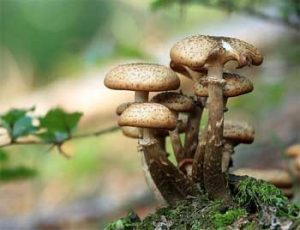
If you are looking for a natural leather replacement, why not try Mushroom Leather? Mushroom leather is a vegan-friendly material used as a sustainable and environmentally friendly alternative to animal leather. Watch this 2-minute video to get a look at this unusual suspect.

How is it processed?

It all starts with Mycelium; the fungus mushrooms are made of. When harnessed as a technology, it can be used to create everything from a plant-based steak to fabric. The cells are grown on beds of agricultural waste and the byproducts are compressed into an interconnected 3D network. Finally, it is tanned and dyed to create a product that resembles leather.
  • Pros: Mushroom leather is soft, durable, and naturally waterproof. It accepts dye well and is easy to sew. It is extremely light-weight and flexible, which makes it a great candidate for a wide range of projects.
  • Cons: Mushroom leather is very difficult to find.

What about sustainability and the environmental impact?

Mushroom leather is an environmentally friendly material because it can be treated without using polluting substances. At the end of its life, the material is completely biodegradable and compostable.

Where can you buy it?

Mushroom leather is primarily sold wholesale to the fashion industry; however, there is one retail source. If you have an adventurous spirit and some padding in your pocketbook, here is a place you can shop:

  • Life Materials (MuSkin)

Oranges

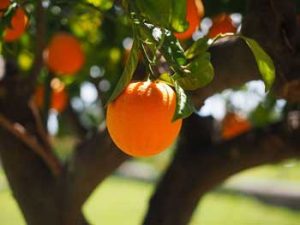
Fabrics are formed from a silk-like cellulose yarn made from citrus waste that can blend with other materials. When used in its purest form, the resulting 100% citrus textile features a soft and silky hand-feel, lightweight, and can be opaque or shiny.
How is it processed?

Fabric is produced from hundreds of thousands of tons of citrus juice byproduct — the so-called ‘pastazzo’ that would otherwise go to waste. It is then formed into a silk-like cellulose yarn that can blend with other materials. Watch this cute 1-minute video for a little insight into the process and then explore a pictorial explanation that shows what results from the various steps at http://orangefiber.it/process/.

  • Pros: Orange fabric is soft, strong, drapes beautifully, and is wrinkle resistant. The natural citrus oils within the fabric contain vitamins A, C and E which are released and absorbed through the skin, making the fabric a wearable body cream. The oils are reported to last at least 20 washing cycle!
  • Cons: You can’t buy it anywhere.

What about sustainability and the environmental impact?

From the perspective of safeguarding the interests of the environment, the world production of waste materials in the form of orange peels exceeds 700 tons per year. By utilizing this waste productively, it is offering a solution.

Where can you buy it?

While there have been limited collaborations with a few designers (H&M, Ferrigamo, E Marinella), we can find no retail fabric sources. So, for now, this is not something you can try sewing with at home.

Bananas

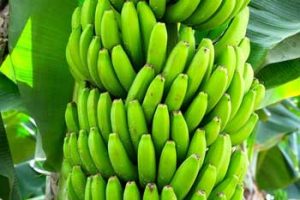
While it may sound cutting-edge to create fabric from a banana plant, it was actually back in the 13th century when banana fiber cloth was first introduced in Japan. It comes from leave sheaths around the stem of the plant of abacá, a species of banana. The length of the fibers can be more than 3 meters long. Currently, it is being increasingly used in the manufacturing of garments, household textiles and upholstery thanks to innovations in the process of this fiber.
How is it processed?

Abacá banana plants are organically cultivated in the Philippine islands. They are harvested and shredded into the natural fibers, then spun into threads that are woven to create the banana fabric. Watch this 8-minute video for a great peek into the process.

  • Pros: Banana fabric is naturally delicate and silk-like in texture and yet incredibly strong. It is resistance to the effects of salt water and buoyant.
  • Cons: It is very expensive and hard to find.

What about sustainability and the environmental impact?

Abacá banana plants regenerate fully within one year of being harvested. The plants are organically cultivated in Philippine islands and require no chemical treatments. And when the bags do eventually reach the end of their life cycle, they leave no trace because the fabric is biodegradable, and the components are recyclable.

Where can you buy it?

This is another fabric that you will not find easily and when you do find it, you will pay for the privilege of securing some for your home sewing stash. These two specialty sellers on Etsy are the only sources currently.

  • Zoria Millinery on Etsy
  • Heaven Hemp on Etsy

Pineapples

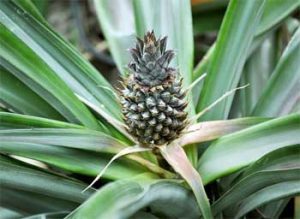
Often referred to as ‘pineapple leather,’ Piñatex® manufactures this material from the leaves of the pineapple, which are traditionally discarded or burned. There are several variations of the textile, with new developments for naturally dyed and 100% natural versions without the synthetic coating sometimes used to weatherproof the leather.
How is it processed?

The fibers of the pineapple leaves are pulled apart, dried, and then brought together through a processing system which creates a non-woven substrate. This interim product is shipped to Spain where it is further processed into a leather like material. Watch this 2-minute video for a glimpse into the process.

  • Pros: Pineapple leather is soft, lightweight, flexible, and can be easily printed on, stitched, embossed, embroidered, and cut for different design uses. The leather-like material is easy to care for, strong, and durable.
  • Cons: Not quite as skin friendly as mushroom, but still good for all traditional leather uses. As with many of these unusual plant fabrics, pineapple leather is expensive and difficult to find.

What about sustainability and the environmental impact?

The pineapple industry globally produces about 40K tons of pineapple leaf waste. Using the leaves creates an additional income stream for rural farming communities. The residual production waste is used as a natural fertilizer. No toxic chemicals are involved in production, however, some of the leather has an added coating (often resin) to make it waterproof which is not quite as environmentally friendly.

Where can you buy it?

There appears to be only one supplier of pineapple leather. You can purchase online, and have it shipped, but it will be coming to you from Spain.

  • Ananas Anam

Grapes

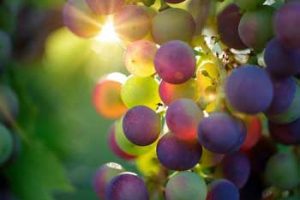
“Wine leather” or “grape leather” transforms grape skins, seeds and stalks discarded during wine production from waste into a vegetal leather. And since 26B liters of wine are produced worldwide every year, the potential here is noteworthy.

How is it processed?

The solid remains of grapes after pressing (grape pomace, including the skins, pulp, seeds and stems) are combined with vegetable oil and water-based polyurethane. This creates an eco-composite (a combination) material. This biobased material is then coated onto organic cotton, resulting in a leather alternative made of more than 70% renewable and recycled raw materials. Watch this 30 second video to see a little bit more. https://vimeo.com/519449696

VEGEA from vegea vegea on Vimeo.

  • Pros: Creates a supple, durable leather-like fabric.
  • Cons: Not available for purchase.

What about sustainability and the environmental impact?

While the production process doesn’t waste water and uses modified, existing machinery to transform what would otherwise create carbon dioxide when burnt, the material is not yet biodegradable and is difficult to recycle. However, the material is low-wash and long-lasting, creating long-term use of items and thus less frequency of discard.

Where can you buy it?

Like orange leather, grape leather does not seem to be available to the public. Several fashion companies, including H&M had products made from grape leather for sale, just no source for pieces of the leather for your home stash.

Have we planted any ideas?

That’s a wrap of our exploration of plants in fabric. While you may never sew with many of the “unusual suspects” highlighted in this article, we hope you have enjoyed the journey. There are so many surprising uses of plants in the world of fabric and fashion that we’ve never considered!


~Sheryl Belson

This field is for validation purposes and should be left unchanged.
Did you enjoy this article?
Are you an ASG member?

Tagged With: fabric, fabric sources, textiles

July 30, 2021

Fabric Sources: Plants (part 1)

This is article 1 of a multi-part series focusing on three categories of fabric – fabric made from plants, from living things, and from minerals. This month – plants!

Plants (part 1) | Plants (part 2)
Living Things: Silk | Living Things: Wool | Other Living Things
Minerals: Acrylics, Polyester, & Nylon (part 1) | Minerals: Spandex and Rayon (part 2)

Did you know that the overall global textile industry is valued at nearly one trillion dollars? The plant-sourced portion of this market grows about 7% annually and now makes up about 1/3 of the total fabric market. It also can have an ecologically positive impact on our planet.

Processing leaves, stems, stalks, seed pods, and fruit into fabric is BIG business!

While some are common and have been around for ages (think cotton and flax), other fabrics made from plants are gaining popularity. With an increased demand for fabric that is cruelty free, as well as the environmental concerns associated with creating synthetic fibers, shoppers are turning to some of the oldest and most sustainable plant fibers.

Which of these plants are used to create fabric?

fabric sources - plants

If you answered ALL of them, you would be correct!

You will certainly recognize some of the plant sources such as cotton, flax (used in linen production) bamboo, and cork. But a few may surprise you. In Part 1, we are covering Cotton and Flax and have also included links to info on Bamboo and Cork.


—– The Fabrics You Expect —–


Cotton

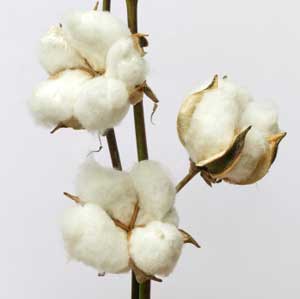
Cotton boll imageCotton is the natural textile fiber most widely used around the world. It takes center stage in the global textile industry, capturing about 25% of the market. And it is not a newcomer! Cotton was grown in Pakistan’s Indus Valley more than 5,000 years ago and was used to make clothing in ancient Egypt. Cotton is widely used in the modern fashion industry, both in flat fabrics and in woven clothing items and household textile products and it combines well with other natural and synthetic fibers, such as rayon, polyester, spandex, etc. Let’s face it… cotton is a fabric staple that is here to stay.

How is it processed?

Cotton comes from plants that produce seed pods filled with ball-shaped clumps of cotton fiber. The seeds are separated from the cotton fiber mechanically and then the threads are spun from the remaining, seedless white fiber. The resulting threads are then woven to make cloth, which can be dyed. To watch and learn more about the process, view this 6-minute video.

  • Pros: Cotton fabrics are comfortable, very soft, light, durable, has good heat conduction and absorbency. This makes is a great choice for garments that are in close contact with the skin, both in spring-summer and fall-winter seasons.
  • Cons: Cotton tends to shrink and is prone to wrinkles and fading.

What about sustainability and the environmental impact?

The biggest bet of sustainability is the use of certified organic cotton. Organic cotton is more eco-friendly than non-organic cotton, as it uses less water and is free of chemical pesticides, insecticides and herbicides that may otherwise pollute waterways.

Where can you buy it?

You can buy cotton and cotton blends almost anywhere. This is one fabric you will not have any trouble finding. But to give you a few places to purchase with your ASG Member discount, check out these sellers:

  • Brigitte’s Place
  • Ghee’s
    • SewBatik
    • SewTimeless
    • The Sewing Place


Flax

Linen is another popular and common fabric, though it captures a much smaller market share than cotton. It is made from the fibers of the flax plant and is considered more of a luxury fabric than cotton. Egyptians used flax to create linen cloth more than 4,000 years ago and used it in both clothing and to wrap mummies. Today, flax is often blended with other materials to add strength or reduce wrinkles.

How is it processed?

Flax has leaves that consist of long, tough fibers. The procedure to turn the plants into fabric is labor intensive, which makes linen much more expensive than cotton. To get a peek into the process, watch this 2 ½ minute video from the V&A museum.

  • Pros: Linen is stronger, cooler, and lighter than cotton. It softens with each wash, making it increasingly comfortable. These qualities make linen an excellent choice for casual summer clothing and many home décor items.
  • Cons: Flax fibers are inelastic which is why linen wrinkles so easily.

What about sustainability and the environmental impact?

Flax is one of the more promising developments in sustainable textiles since it can be grown with far less water and fewer pesticides than cotton and produced at a lower price.

Where can you buy it?

Like cotton, you can buy linen and linen blends many places. Buy it with your ASG Member discount from one of these sellers:

  • Brigitte’s Place
  • My Fabric Designs

There’s still more!

In Part 2 of Fabric Sources: Plants, we’ll cover some of the unusual and unexpected plants that are used to create fabric.


~Sheryl Belson

This field is for validation purposes and should be left unchanged.
Did you enjoy this article?
Are you an ASG member?

Tagged With: bamboo, cork, cotton, fabric, flax

July 28, 2021

Matching Fabric Patterns Across Seams

Ever wondered how to line-up/match the pattern of your fabric across seams? This 1-minute tutorial is a sure fire way to get it right!


This field is for validation purposes and should be left unchanged.
Did you enjoy this article?
Are you an ASG member?

Tagged With: fabric, fabric pattern, seams

June 4, 2021

Selvages: On the Edge

What is the selvage?

Selvages are the edges of woven fabrics—the place where the weft (crosswise) threads turn around to form the next row during the weaving process. Some selvages are thicker than the fabric itself, as often there are more threads per inch at the edges to help keep the edges straight during the weaving process.

Think of your fabric’s selvage as its DNA, with important information about it you may need to know.

Selvages may be the same color as the fabric, or they may be a contrast. Interestingly, contrast threads are sometimes woven in the selvages. On some velvets and velveteens, you may see metallic threads along the edges.

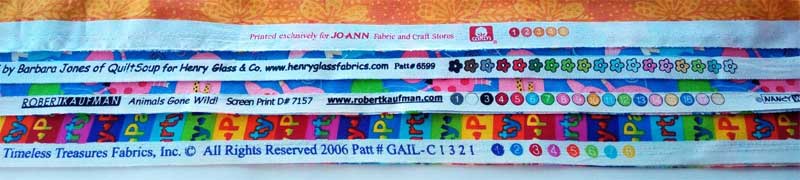
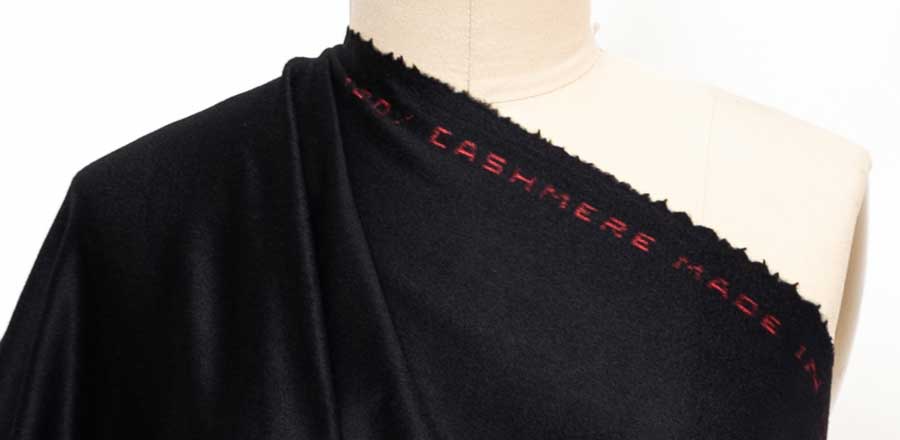
On high quality and imported fabrics, sometimes the requisite information like fiber content and country of origin is actually woven into the selvage in a contrasting thread color.

Selvages information
Image used with permission from Marcy Tilton

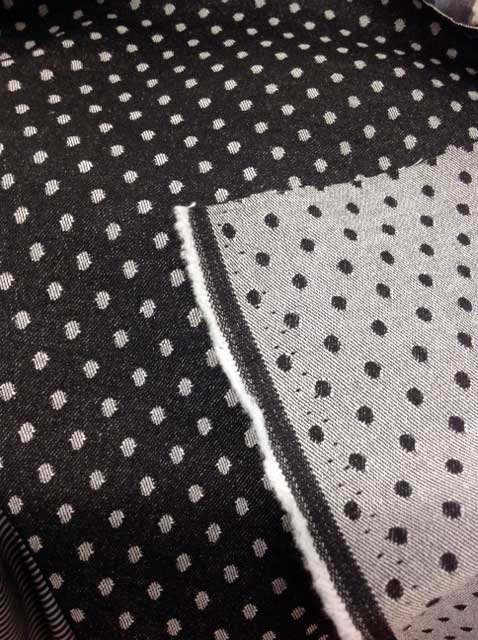
Selvages are not always straight—they can be fringed or looped, depending on the type of loom used and the finishing processes.

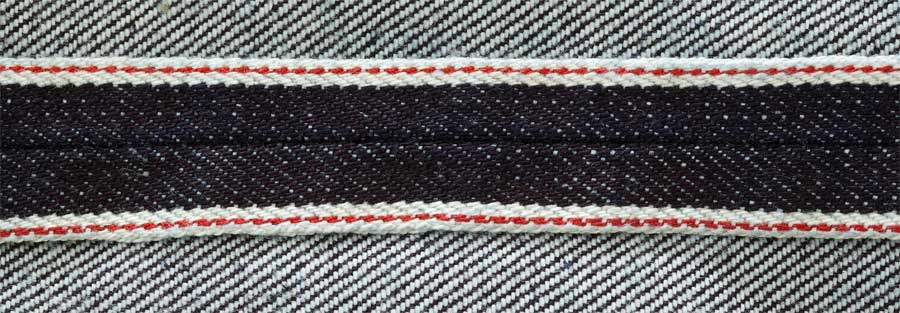
On fabric like denim where the warp (lengthwise) threads are a different color than the crosswise threads, the selvages may be totally different looking than the fabric body itself.

Information, please

You can find a variety of information bits on most selvages, but some have none. Look for the brand name, the designer’s name and sometimes the fiber content and/or care instructions, like “dry clean only.” You may also find the date the fabric design was copyrighted, and on printed fabrics, you may see lots of colored dots or shapes along the edge. These fun indicators tell how many different color screens were used in the printing process of the particular fabric.

  • Some selvage edges include the website for the fabric brand or a social media reference. Designers have even been know to add an inspirational message on the selvage.
  • In addition, home décor fabrics may show an indication of the repeat of the pattern, and sometimes an arrow showing which direction is up in the patterning.

Saving Selvages

Because of their tighter weave, the selvages may shrink differently from the fabric itself, so many people just cut the selvages off before cutting out the project.

While you can certainly trim and toss them, you can also use them creatively. If your project has a straight seam edge, you can cut it on the selvage to avoid raveling and perhaps add a decorative touch to the seam edge. A pant leg seam or a loose fitting, straight-cut jacket would be two great places to cut on the selvage for pre-finished seam allowances. Selvages are also a great edge for pockets or straight hems, either exposed for interest, or just as an edge finish.

Using the selvage on denim

Trimmed selvages are often used to stabilize a stretchy area—like a shoulder seam in a knit T-shirt. Lightweight woven selvages, like silk organza, are ideal for this use, as they’re sheer and don’t add a lot of bulk as they span the seamline. Interesting cut-off selvages can also be “reapplied” to an area as a decorative trim, often combined with ribbons, braids or decorative stitching. Fun selvages are also great to insert as a flat piping.

Selvages (with some attached fabric width) can also be used for bindings or garment ties.

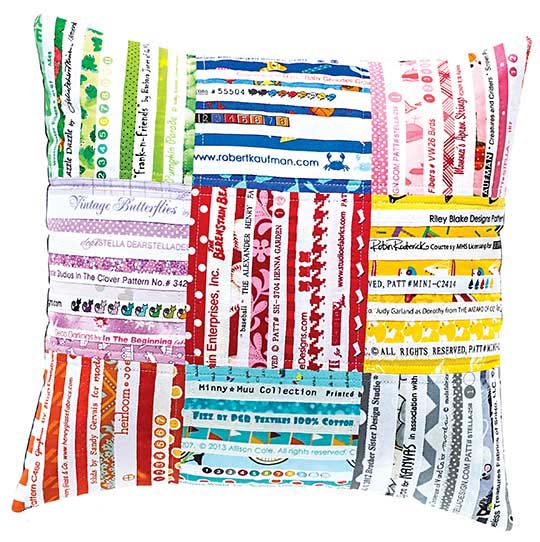
Selvage pillow
C&T Publishing

Quilting Ideas

If you’re a quilter, perhaps you keep all your cotton selvages for other projects. It’s easy to strip piece them together on a lightweight backing to make quilt blocks or other projects. When you trim the selvage, leave at least ¼” beyond the actual selvage and use that for joining. Layer the strips one edge over the other and zigzag the edges in place through the backing until you fill the space needed.

Tennis shoes made with selvage edges

Crafting Ideas

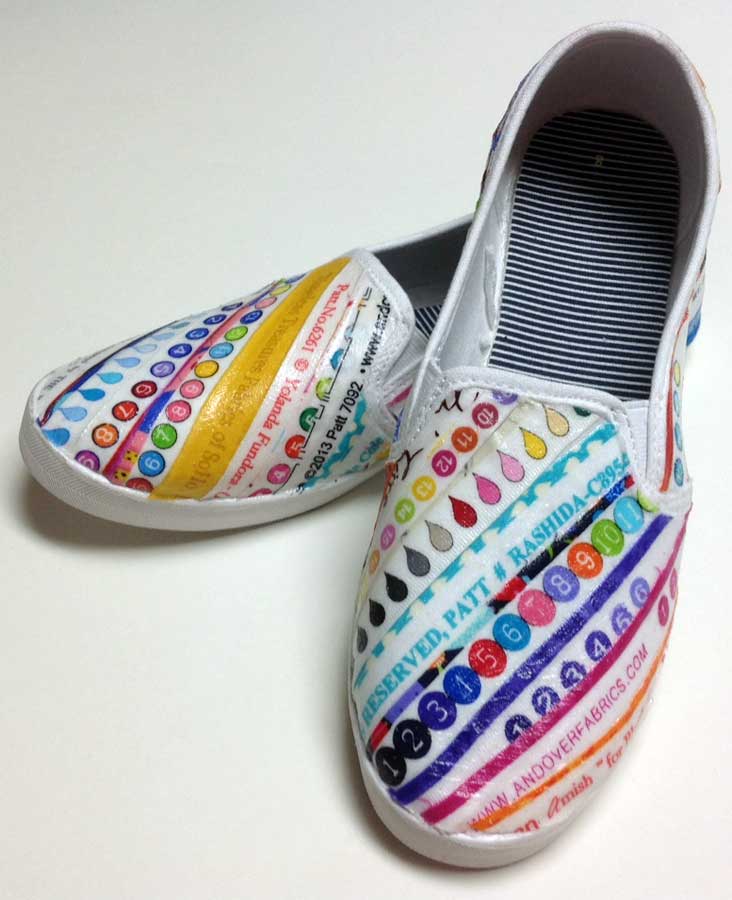
For crafting, trimmed selvages are ideal for decoupaging onto projects—like basic tennies {photo}, picture frames, boxes, vases, etc. Just overlap the raw edge portion and seal with the medium.


Holey Moley

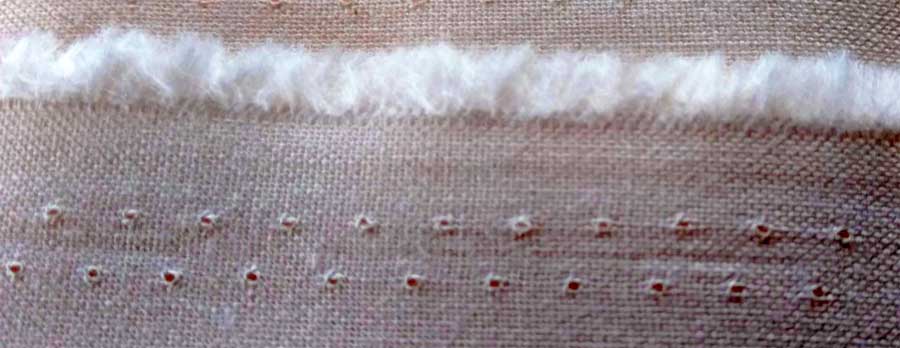
What are those holes along the selvage? They’re called tenter holes and they’re used to hold the fabric to a frame during the printing and finishing processes.

tenter holes


~Linda Griepentrog
Linda is the owner of G Wiz Creative Services and she does writing, editing and designing for companies in the sewing, crafting and quilting industries. In addition, she escorts fabric shopping tours to Hong Kong. She lives at the Oregon Coast with her husband Keith, and two dogs, Yohnuh and Abby. Contact her at gwizdesigns@aol.com.

This field is for validation purposes and should be left unchanged.
Did you enjoy this article?
Are you an ASG member?

Tagged With: fabric, selvage edge, tenter

  • « Previous Page
  • 1
  • 2
  • 3
  • 4
  • 5
  • Next Page »

Become a Member

Join the only national organization dedicated to Advancing Sewing as an Art and Life Skill.

Join Now button

Blog Article Categories

  • ASG Conference
  • Chapter Stories
  • Embroidery
  • Fitting
  • Learn to Sew
  • National Sewing Month
  • Products, Books, & Patterns
  • Projects
  • Quilting
  • Sewing
  • Sewing Techniques
  • Sewing Tips
  • Sewing Tours
  • Videos
  • Disclaimer
  • Privacy Policy

American Sewing Guild
National Headquarters
9660 Hillcroft, Suite 230
Houston TX 77096
713-729-3000 | 713-721-9230 Fax
www.ASG.org

ASG wordcloud - education, conference, discounts, videos, special offers, tours and more

Copyright © 1998–2026 · American Sewing Guild · All Rights Reserved